
As the magnitude of the global crisis surrounding youth mental health continues to unfold, increased attention has been placed on developing strategies to prevent young people’s mental health from deteriorating and promote mental wellbeing at scale. With global stressors accelerating and services failing to keep pace, the need for system-level solutions has never been more urgent.
While governments must play a primary role, strategic philanthropic investments have the opportunity to work in a complementary and collaborative way to strengthen the social determinants of youth mental health and drive change.
Urgent public health priority
Around 75% of mental disorders emerge before the age of 25, with one in five young people experiencing a mental health condition each year, and one in seven adolescents (aged 10-19) living with a diagnosed disorder.
One of the more prominent neurodevelopmental mechanisms associated with youth mental health outcomes is exposure to stress – including poverty and food scarcity, academic and social pressures, bullying and online bullying.
Further, an extensive body of research continues to highlight the impact of resource insecurity, particularly climate change, as a prominent stressor on youth mental health. Together, these global-scale stressors amplify distress and fuel fear about the future, which can lead to an increase in conditions such as depression and anxiety.
In recent years, awareness of mental health issues has grown, partly driven by the United Nations Sustainable Development Goals (SDGs), which include two key targets (SDG 3.4 and 3.5) which focus on mental health and substance abuse.
The UN High-Level Meeting on Noncommunicable Diseases (NCDs) and Mental Health last September was the first time in history that mental health made it to the top of the global agenda, with countries making strong commitments to addressing the shared drivers and determinants of NCDs and mental health conditions. Yet, whilst mental health has gained more visibility, many experts agree that progress remains insufficient – particularly for young people.
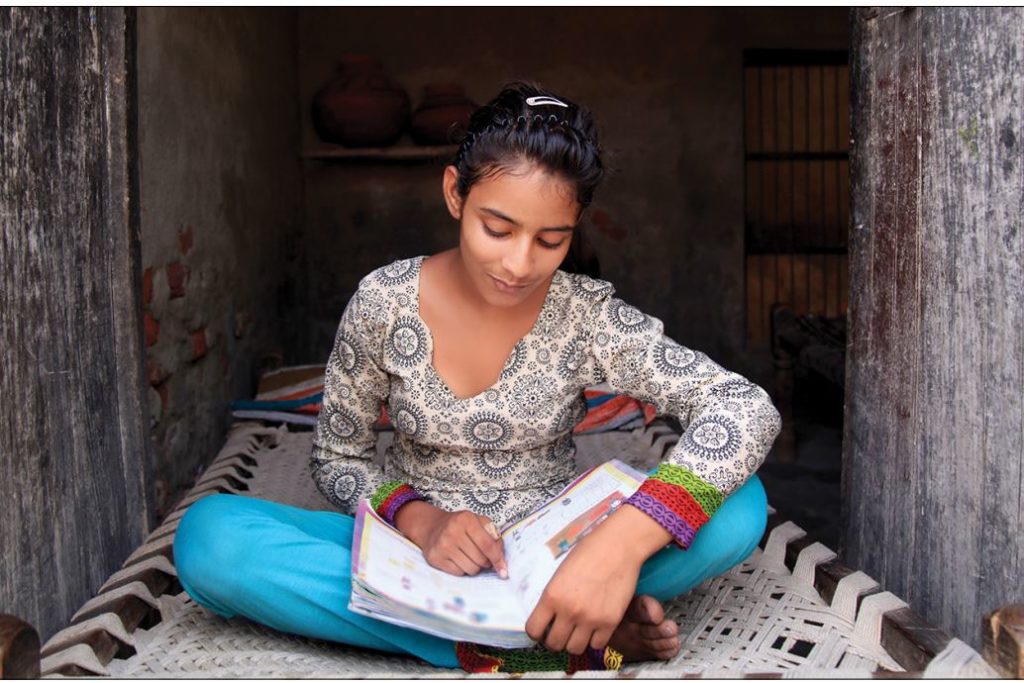
Key barriers facing young people include limited mental health services tailored to youth and persistent stigma around mental illness and emotional expression. Prevention and promotion remain under-prioritised globally, with countries only spending 2% of national budgets on mental health (and less than 1% in low- and middle-income countries).
Notably, less than 1% of philanthropic funding is allocated to mental health, with even less on prevention and promotion efforts.
Addressing the root causes of youth mental health requires comprehensive, multisectoral approaches that acknowledge the systems young people navigate – schools, families, community environments, and health and social services.
Several global initiatives are already seeking to support this shift, including the Being initiative, the Helping Adolescents Thrive Initiative and UNICEF and the Z Zurich Foundations’ Global Coalition for Youth Mental Health.
Swiss Foundations Symposium
The Swiss Foundations Symposium 2025 – an annual event dedicated to fostering dialogue within the Swiss foundation sector – explored how philanthropy can accelerate systemic change.
Themed “Mission Possible”, last year’s forum emphasised that by joining forces, we can make the impossible possible. Our session at the symposium focused on youth mental health and issued the following calls to action:
- Recognise that we cannot meaningfully address the system-level changes required for youth mental health alone and therefore must engage in partnerships across sectors.
- Identify like-minded partners in terms of mission and values to work coherently and complement each other.
- Invest in building the capacity of each partner to address different angles of systemic changes as they relate to youth mental health.
- Allow for flexibility in scope and timelines and build trusted collaboration through time and perseverance.
- Build and reinforce networks and learning communities.
- Combine implementation, research, communication, stakeholder engagement and policy work.
- Engage with governments from the outset, while also supporting context-appropriate work at the community level.
- Engage with young people to co-develop, drive and communicate progress and solutions.
This conversation underscored a growing consensus: youth mental health cannot be addressed in isolation. It requires coordinated efforts across disciplines and sectors.
Cross-national approach: The ‘Being Initiative’
The Being Initiative, hosted by Grand Challenges Canada and co-developed with Fondation Botnar and global partners, including the Science for Africa Foundation, which leads the longitudinal research strategy, represents a significant evolution in philanthropic practice.
Operating in 12 countries across Latin America, Africa, Europe, and Asia, it unites research, innovation, and ecosystem strengthening under one framework to improve the conditions that help prevent the onset of mental health conditions among young people.
Being’s model leverages learning, investment and mobilisation to address key stressors such as bullying, family functioning, and academic pressures.
Each country begins by identifying priority drivers through collaborative, multi-stakeholder consultations. The initiative then supports ideas from youth-led organisations to see how they can improve mental health prevention and promotion, while engaging policymakers, practitioners, and young people to refine strategies and embed new solutions into national systems.
This is underpinned by implementation research, which produces evidence to inform policy, and long-term fundamental research, which deepens understanding of emerging stressors. These components are coordinated through country-level ecosystem funding to strengthen structures and enable sustainable uptake, while also informing and contributing to global advocacy.
Philanthropy and systems change: Z Zurich Foundation
Established in 1973, the Z Zurich Foundation’s purpose is to create brighter futures for vulnerable people by supporting social impact through its four strategic pillars: climate change, mental wellbeing, social equity, and crisis response.
Its “Thriving Together” program with UNICEF focuses on systems change, aiming to prevent mental health conditions and support 11 million people across 15 countries by 2027.
The Foundation’s approach emphasises collaboration, drawing on complementary resources, expertise and networks to scale impact sustainably across contexts. As of November 2025, the Z Zurich Foundation’s youth mental wellbeing portfolio is in 29 countries, working through 30 different programs.
The path forward
As a global community, we are in an unprecedented moment of change. The rising burden of mental disorders among young people requires immediate and targeted action.
Strategic philanthropy can play a pivotal role by supporting system approaches that integrate research, community engagement, innovation, policy and cross-sector partnerships. Such efforts can help curb the long-term effects associated with youth mental health issues, and in turn, deliver essential benefits to our societies and economies globally.
This mission is possible – but only if we act together, and act now.
Dr Byron Bitanihirwe is the programme manager in Mental Health Research and Development at the Science for Africa Foundation and a former University of Manchester lecturer in global health. He holds a PhD in Neurobiology from ETH Zürich.
Gabriel Brumariu is the executive director of SECS Romania, where he draws on 14 years of youth-focused, community-based work in education, health, wellbeing, and advocacy.
Dr Nicole Bardikoff is the mental health lead at Grand Challenges Canada, overseeing strategy and partnerships to advance community-led youth mental health innovations across low-resource settings.
Dr Aline Cossy-Gantner is the mental health portfolio manager at Fondation Botnar and co-lead of the Being Initiative, with extensive experience developing youth wellbeing programmes globally.
Sofyen Khalfaoui is head of the Improving Mental Wellbeing pillar at the Z Zurich Foundation, leading a global portfolio of programmes informed by prior humanitarian and child protection work with Save the Children, NGOs and the UN.
Image Credits: Joice Kelly/ Unsplash, The Lancet.
Combat the infodemic in health information and support health policy reporting from the global South. Our growing network of journalists in Africa, Asia, Geneva and New York connect the dots between regional realities and the big global debates, with evidence-based, open access news and analysis. To make a personal or organisational contribution click the donate button below.