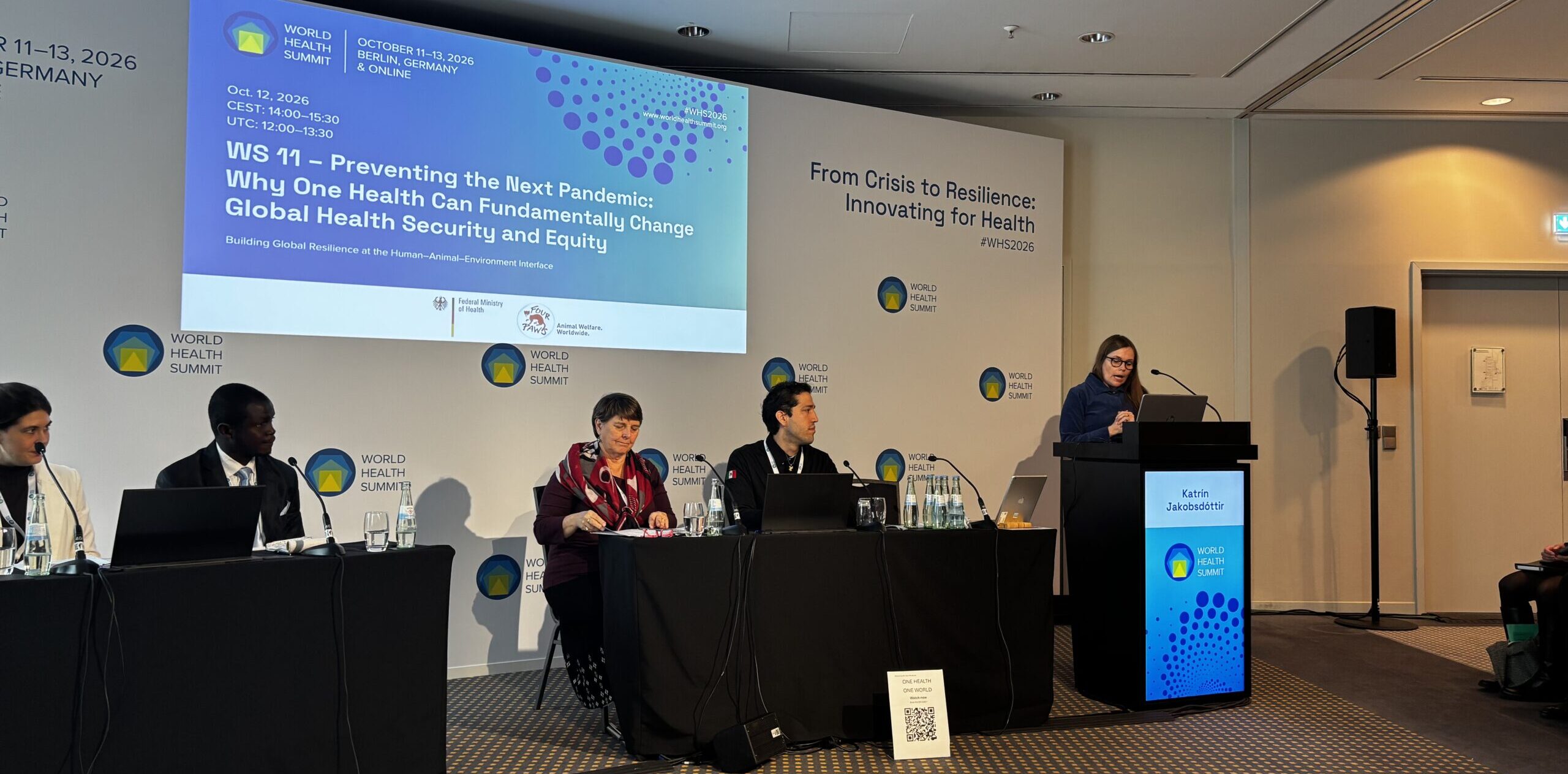
Six years after COVID-19, with Ebola Bundibugyo virus still raging in eastern Congo and the pandemic treaty stalled, a packed World Health Summit workshop asked why the world keeps paying for fire engines instead of fire prevention.
BERLIN – By the time Katrín Jakobsdóttir opened the session, people were standing two deep along the back wall. The former Icelandic Prime Minister, now chair of the Pan-European Commission on Climate and Health, joked that the panel would have to keep to time or the room would run out of oxygen. Then she named the problem that has dogged pandemic prevention for decades: its success “is measured by the crisis that never happened”. Nobody gets much credit for an outbreak that never occurs, so budgets for averting crises remain equally slim.
That paradox ran through Monday’s workshop at the World Health Summit, Preventing the Next Pandemic, co-hosted by Germany’s Federal Ministry of Health and the animal welfare organisation FOUR PAWS.
A threat that is accelerating
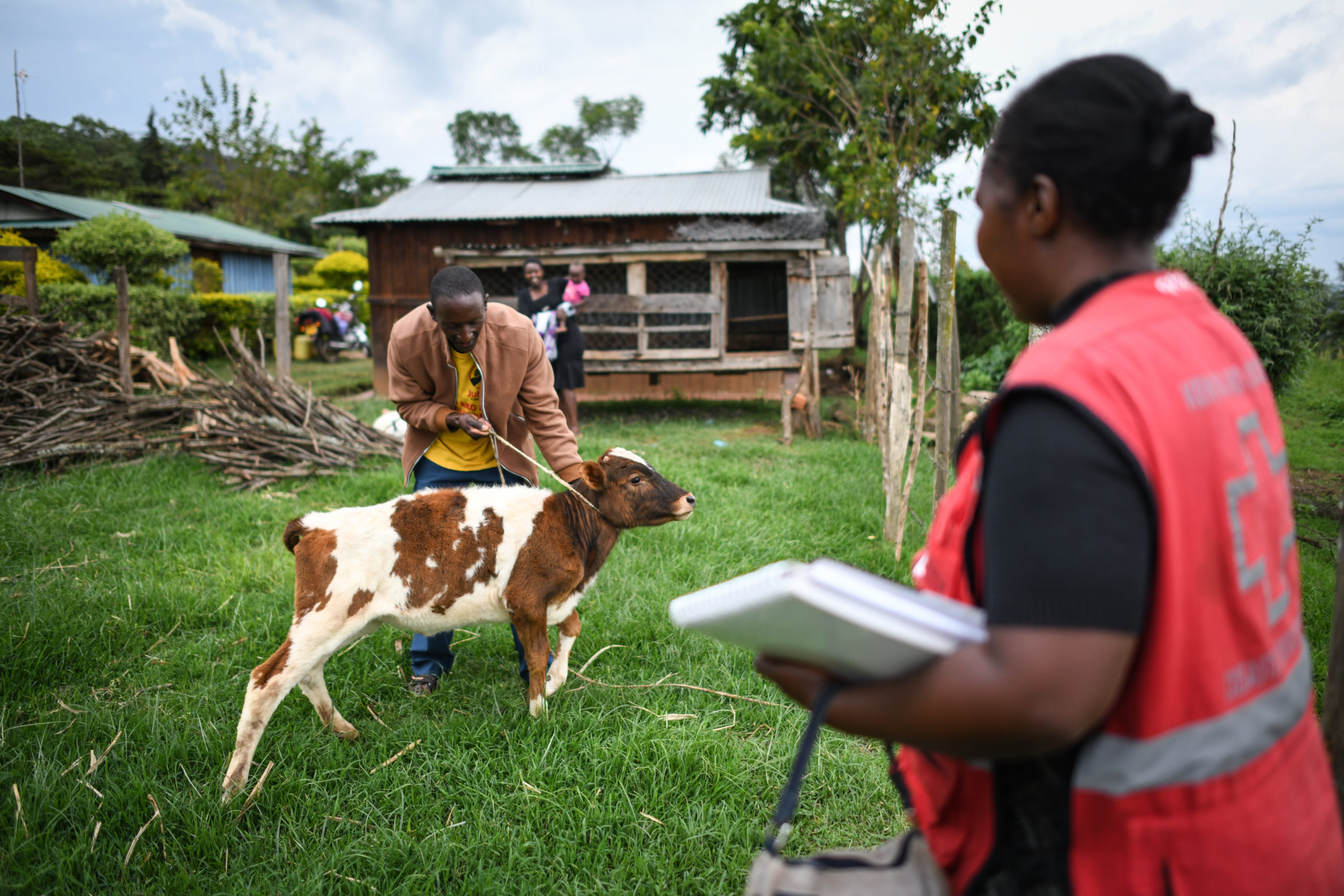
The science on where pandemics come from is no longer in dispute. About 60% of known human infectious diseases, and 75% of emerging ones, pass to us from animals, according to UNEP. The UN biodiversity panel IPBES estimates that some 1.7 million undiscovered viruses circulate in mammals and birds, and up to 850,000 of them could infect people. A 2021 study in PNAS put the yearly chance of a COVID-scale pandemic at about 2%, which works out to a 38% chance of living through one. The authors warned that the risk could double in coming decades as land clearance and climate change push people and wildlife closer together.
This year has tested that warning. The Bundibugyo Ebola outbreak in eastern DRC, caused by a strain with no licensed vaccine or treatment, had reached 8,116 confirmed cases and 3,924 deaths by late September, making it the second-largest Ebola epidemic on record. An Andes hantavirus cluster killed passengers on a cruise from Ushuaia. New World screwworm, eradicated from Mexico in the 1990s, has been back since November 2024.
“Since the COVID-19 emergency period, the world has been responding to a health emergency around 70% of the time,” said Helen Clark, co-chair of the Independent Panel for Pandemic Preparedness and Response. “Is this sustainable, economically, politically, morally?” On Bundibugyo, responders had no community-level test and no dedicated vaccine or antiviral. But her harder question went further back: “Could it have been prevented altogether? What would it have taken to stop it?“
The opportunity reflected in the numbers
The economics point firmly towards prevention. A 2022 analysis in Science Advances put the cost of primary prevention, including less deforestation, tighter regulation of the wildlife trade and surveillance at spillover hotspots, at about $20 billion a year. That is less than 5% of the value of lives lost to emerging zoonoses, at least $350 billion annually, and under 10% of the direct economic losses of $212 billion. IPBES, the Intergovernmental Platform on Biodiversity and Ecosystem Services, estimates that prevention costs about 100 times less than response. COVID-19 alone cost an estimated $8 to 16 trillion.
Some money is starting to flow. In February, the World Bank-hosted Pandemic Fund awarded US$499.6 million to 20 projects, half of them with “One Health” in their titles, and its first three rounds now reach 128 countries. Clark said that virtually every application to the fund now carries a One Health dimension. The WHO Pandemic Agreement, adopted in May 2025, is the first international health treaty to write One Health into its text.
But the treaty is stuck. It cannot open for signature until governments settle its annex on pathogen access and benefit sharing (PABS). “There are ways through this,” Clark said, but it will take “some political will and some heavy lifting. In the end, no one gets everything they want from a negotiation.”
For the host government, Parliamentary State Secretary Georg Kippels said a PABS deal would come only if every party was willing to compromise. “Prevention is the most straightforward solution we have…It protects people before anyone falls ill, and it costs far less than responding once an outbreak has been detected or even spread.”
What works on the ground
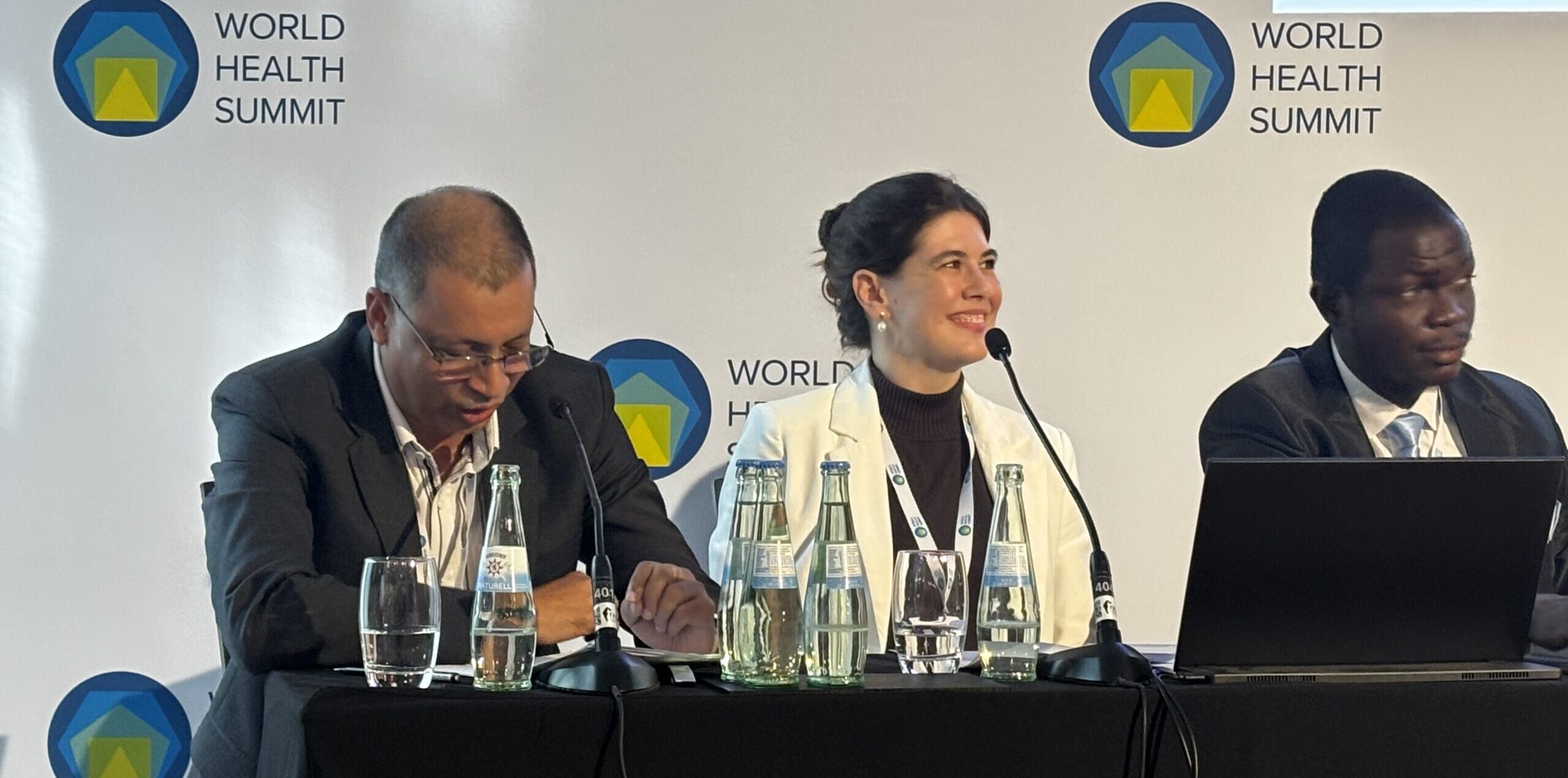
Bangladesh offers a working model. Mahbubur Rahman, an epidemiologist at the Institute of Epidemiology, Disease Control and Research, described how One Health Bangladesh began in 2008 as a civil society response to avian influenza. It produced a national strategic framework in 2012 and by 2016, its activities were integrated with those of government: including an inter-ministerial steering committee, a technical advisory committee and a secretariat.
A new 2025–2030 framework extends the approach below national level and adds environment and ecosystem health. Money is still the weak link, because no mechanism lets one ministry fund another. Yet joint working paid off: after two rejections, the country’s One Health surveillance and early-warning project won US$25 million from the Pandemic Fund at the third attempt.
Asked whether governments actually listen to scientists, Maxine Whittaker of the One Health High-Level Expert Panel answered: “Yes, maybe, no.” Scientists are one voice among party positions, public opinion and the hourly news cycle, she said, and evidence lands only when it is framed with its economic and social costs. On data she was blunter: when governments pay to collect data and then do not share it, “it’s actually unethical. If we’ve invested government money, donor money and don’t actually get them to work together. We’re actually doing more harm than good.”
Restricting human access to wildlife products is not a solution
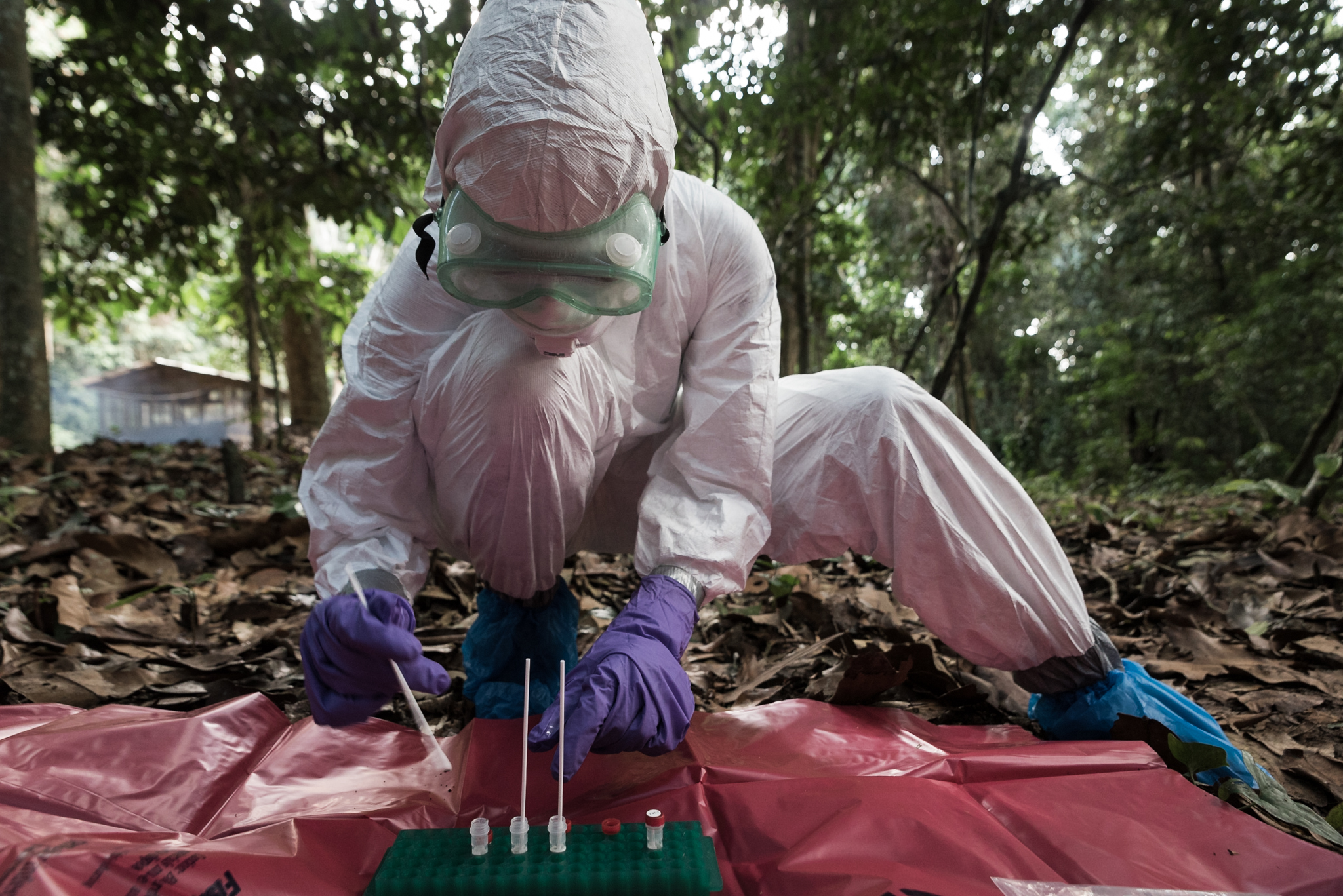
In the Central African Republic, WWF veterinarian Frédéric Singa found that 78% of forest-edge residents routinely go into the forest to capture wildlife or collect wildlife products and 96% eat what they capture or gather.
“Restricting the access is not a solution,” he said. His team instead watches for unusual wildlife deaths and tests samples in a German-funded field laboratory. That picks up pathogens like anthrax in animal carcasses, as well as Mpox in people, before they can spread.
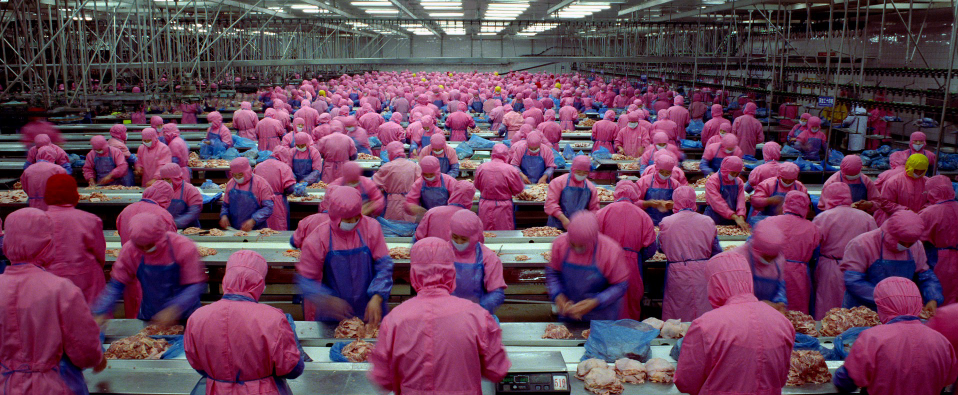
And the key drivers of the leap of wildlife pathogens into human communities, are often modern practices, such as: the deforestation of land cleared for pasture and feed stocks; the trade and transport of animals; and crowded intensive farm production where close quarters foster pathogen transmission and stress weakens immunity, said Thainá Landim de Barros, a veterinarian for the international wildlife protection group FOUR PAWS.
“We cannot start acting when the problem reaches us,” she added. “That’s too late.”
Trust is the missing infrastructure
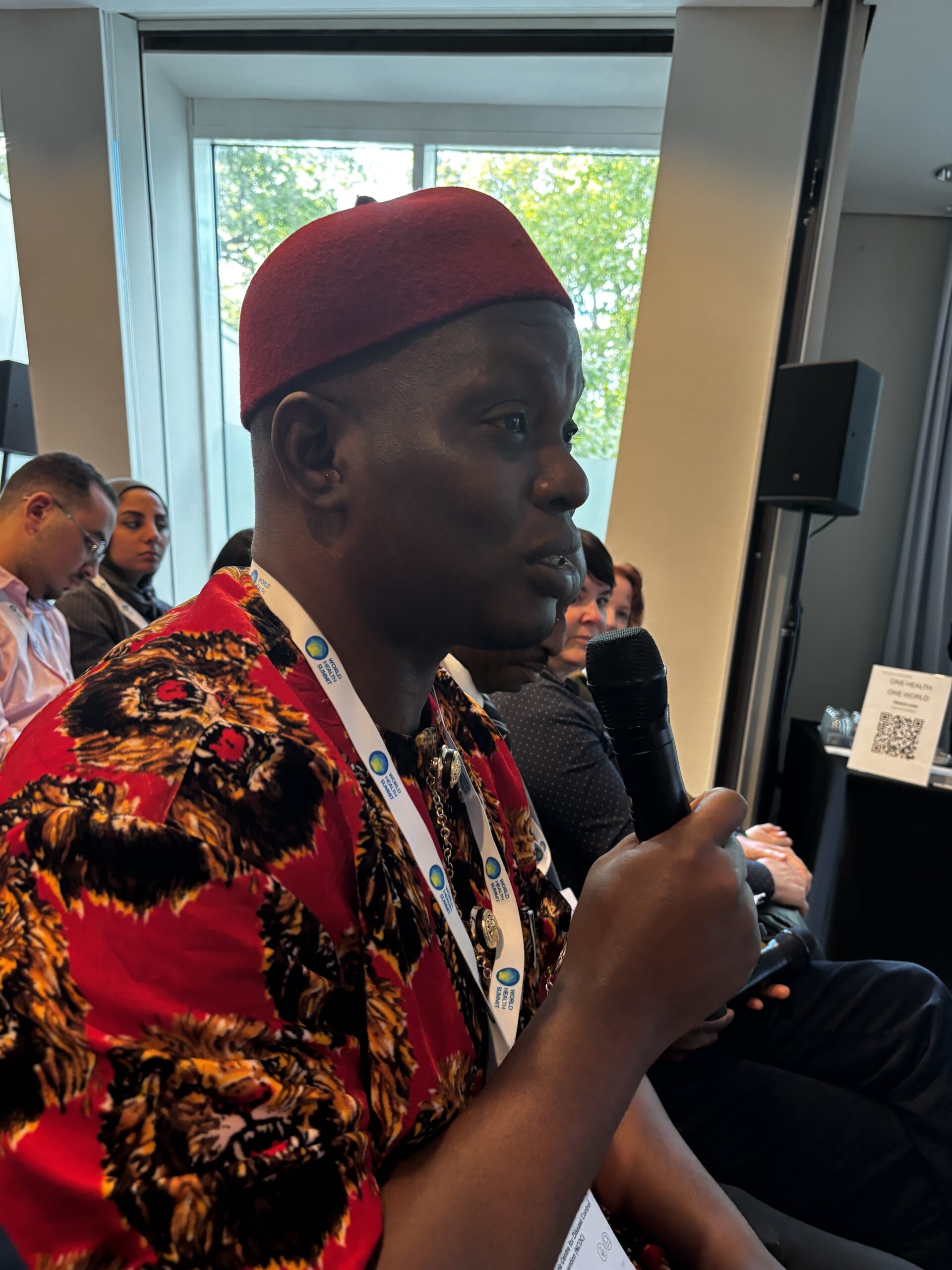
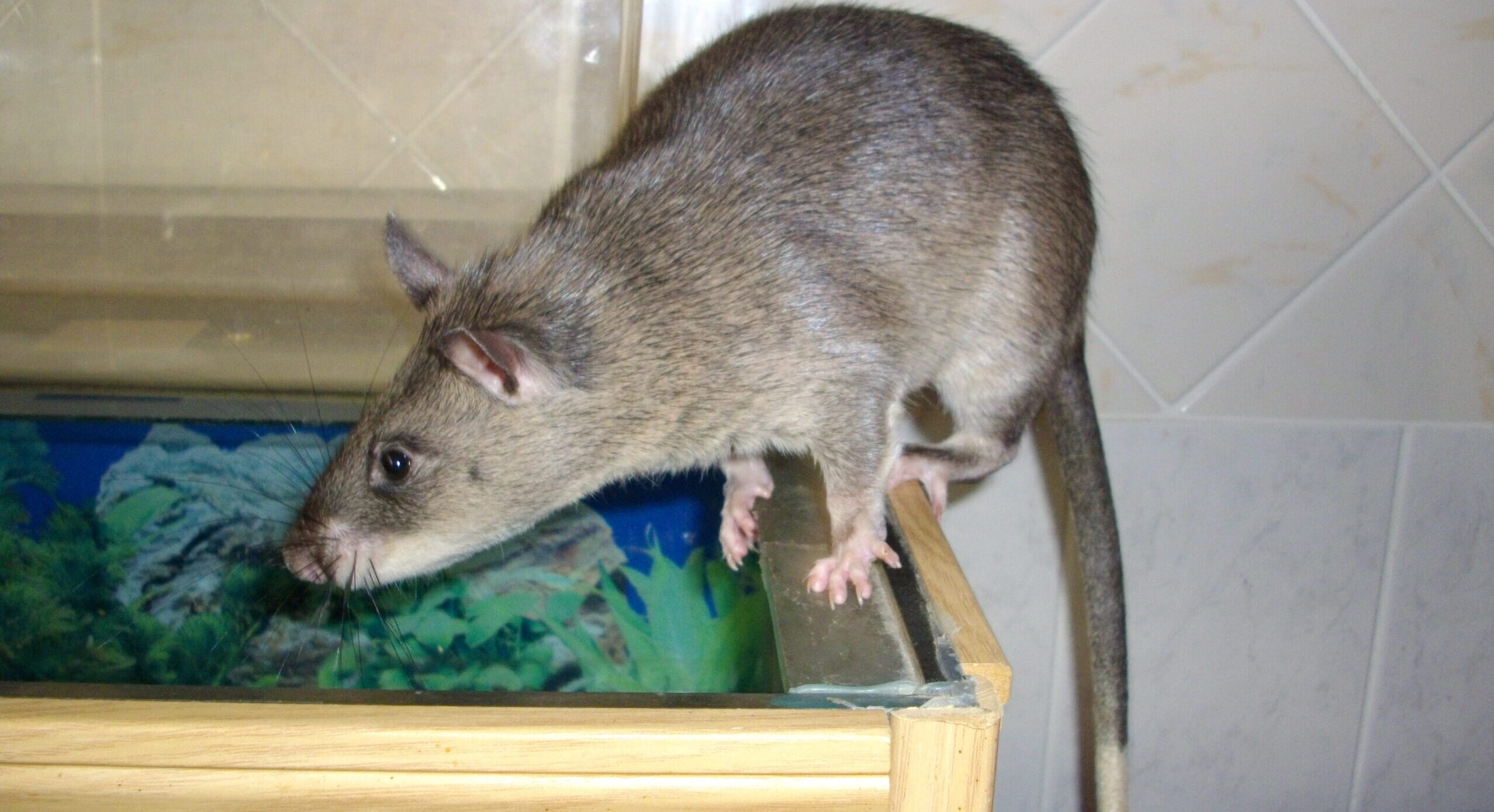
The most memorable contribution came from the floor. Obinna Jude Eze, an anthropologist with the Nigeria Centre for Disease Control and Prevention. Eze spent nine months living in a community with high Lassa Fever transmission under the auspices of the research initiative COPE, of the German-based Robert Koch Institute. Because his questions always came back to rodents, villagers called him “the doctor of rats”.
But the cumulative sense of familiarity and trust that he managed to build helped identify community champions and local facilitators for a community-based Lassa Fever project. “If we want communities to trust One Health,” Eze said, “we also need to show that One Health trusts communities.”
What has to change
One Health has the arguments and its importance is increasingly being recognized. It is written into a treaty and into most Pandemic Fund proposals. What One Health has not yet won is a budget line. Three shifts would change that, workshp participants agreed.
Finish the Pandemic Agreement. Member state ratification of the WHO Pandemic Agreement cannot begin until negotiations over the Annex for Pathogen Access and Benefit Sharing is completed. So the agreement remains a promise without force, and every month of delay is a month in which the next pathogen spillover event from wildlife into human communities could go unchecked.
Measure what matters. The Sustainable Development Goals carry no true One Health indicator, and finance ministries do not fund what they cannot measure. The post-2030 framework is the chance to fix that.
Treat prevention as an investment, not a cost. Investments of about $20 billion a year against more than $500 billion in annual economic losses to health, trade and food systems, is a return that any finance ministry would accept in any other sector.
But on the accounting score, Jakobsdóttir said, a change of mindset is the hardest part. Until governments find a way to value the outbreak that never happened, they will keep paying many times over for the ones that do.
Image Credits: Sebastien Assoignons/ Wildlife Conservation Society, Hossain/HPW, International Federation of Red Cross and Red Crescent Societies / The Kenya Red Cross Society, Laëtitia Dudous, Hossain/Health Policy Watch .
Combat the infodemic in health information and support health policy reporting from the global South. Our growing network of journalists in Africa, Asia, Geneva and New York connect the dots between regional realities and the big global debates, with evidence-based, open access news and analysis. To make a personal or organisational contribution click the donate button below.