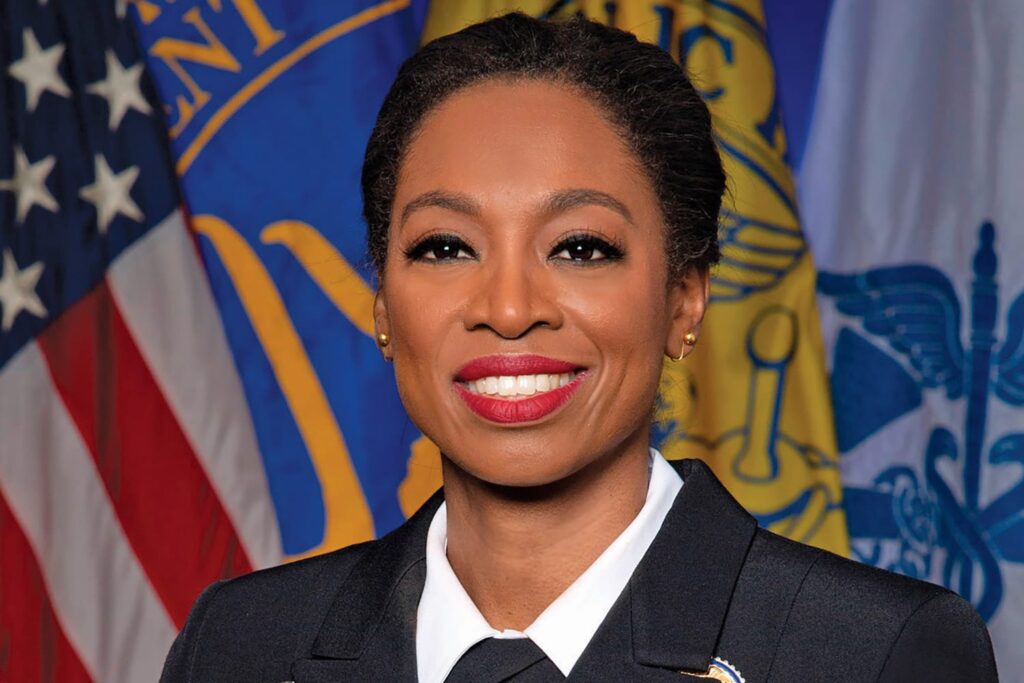
US Health and Human Services Secretary Robert F Kennedy Jr offered contradictory responses that the country’s new leader of the Centers for Disease Control and Prevention (CDC) would be able to make decisions independent of political interference, especially around vaccines.
The White House announced late last week its fourth pick in a year for CDC director, Dr Erica Schwartz, a medical doctor and former deputy surgeon general under the first Trump Administration.
If approved by the Senate’s Health Committee, Schwartz would replace Dr Jay Bhattacharya, the NIH director and acting CDC director.
“If Dr Schwartz is confirmed as CDC director, will you commit on the record, today, to implement whatever vaccine guidance she issues without interference?” asked Congressman Raul Ruiz, MD (CA-25) in a House hearing.
“I’m not going to make that kind of commitment,” Kennedy said.
“Because you probably won’t, you’ll fire her. Like you did with Dr Monarez, because you will not accept recommendations based on science,” Ruiz accused.
Schwartz is a preventative medicine doctor and public health official with nearly three decades of service in the Navy, Public Health Commissioned Corps, the US Coast Guard.
She has garnered bipartisan support – and applause from public health experts – for her nomination as a credible and service-oriented candidate.
Kennedy faces questions about CDC independence
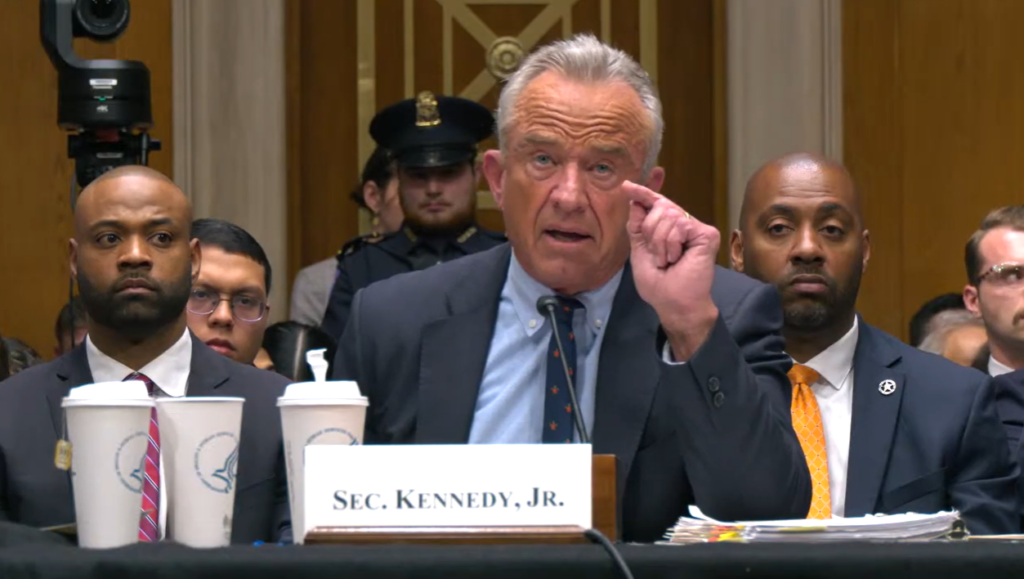
In his first appearance before Congress in months, Kennedy defended the CDC’s efforts and its response to contain the ongoing measles outbreak, saying the US “has done the best job in the world.”
He also deflected blame for the over 2,000 measles cases in the past year across the country, saying “[i]t has nothing to do with me.”
The secretary faced questions on abortion medication availability, the cost of healthcare, and research funding cuts, which the secretary admitted were “painful.”
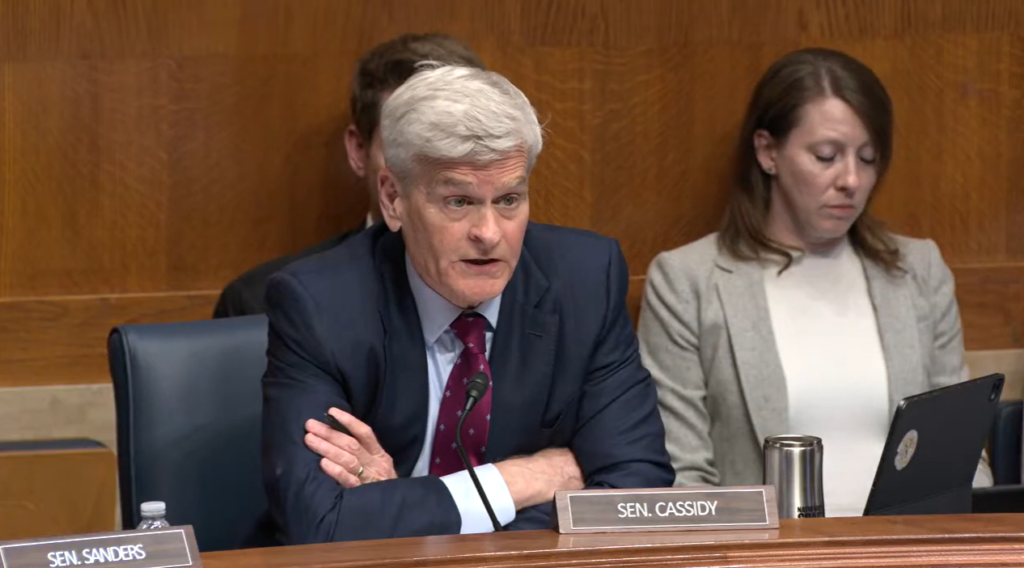
Kennedy’s hearing with the Senate Health, Education, Labor, and Pensions (HELP) committee this week saw similarly tense exchanges about the CDC director nominee.
“I applaud the CDC director,” HELP chairman Senator Bill Cassify (R-LA) said. “She seems to be a qualified person.”
But the Louisiana senator, a physician facing a tough reelection in the fall, noted that “there are currently political appointees at CDC who have worked to undermine trust and immunizations.
“Will the new director, whoever she is, have the right to make decisions independently of those of political appointees and or replace them, or otherwise reassign them so they cannot continue to actively undermine trust in immunizations?” Cassidy asked.
“Your characterization of the political appointees is wrong,” Kennedy said. When pressed by Cassidy, who again asked whether the CDC would be able to make independent decisions, Kennedy agreed.
The Trump administration has apparently counseled Kennedy to tone down his anti-vaccine rhetoric as midterm elections approach this fall.
Service in Navy, Coast Guard, Surgeon General’s office

Commissioned to the Navy in 1995 after receiving her medical degree, Schwartz served for 10 years with the branch before transitioning to the Coast Guard. During her tenure, she served as a Navy occupational medicine physician and head of preventative medicine at the Naval Medical Clinic in Annapolis.
As Rear Admiral in the Coast Guard, Schwartz was responsible for the entire branches’ health care system, overseeing the Coast Guard’s “child care programs and food services delivery programs, ashore and afloat, and the Coast Guard’s Ombudsman, Substance Abuse, Health Promotion and Sexual Assault Prevention and Response programs,” according to her Coast Guard bio.
Schwartz served under the first Trump administration as deputy surgeon general, overseeing COVID-19 vaccine deployment.
She also instituted several key infectious disease prevention programs and policies for the Coast Guard, including those for anthrax, smallpox, influenza, and HIV. The nominee also holds degrees in law and public health.
Schwartz’s focus on vaccine-preventable diseases, infectious diseases, and occupational health may put her at odds with the current HHS priorities, which have called for more research and attention for chronic diseases.
“As a well-trained and credentialed physician and former Deputy Surgeon General, Erica Schwartz possesses the medical background and public health knowledge to understand that the Centers for Disease Control and Prevention must be guided by evidence-based science,” said Dr George C Benjamin, the American Public Health Association (APHA) CEO in a press statement.
APHA has consistently criticized the Trump Administration’s public health actions, including changes to the childhood vaccination schedule and removing clean air protections.
“Erica Schwartz is a credible CDC director. But she’ll need assurances against political interference & ongoing attacks on science and the CDC itself,” said Lawrence Gostin, distinguished professor at Georgetown University and Director of the O’Neill Institute for National and Global Health Law.
But the global health security expert noted “the signs are not good. RFK may impose a leadership team & senior CDC officials are extreme MAHA advocates.”
Gostin alluded to past interferences between HHS and CDC leadership in the childhood vaccine schedule, which was modified late last year.
If confirmed, Schwartz would be responsible for adopting the controversial vaccine schedule recommended by the Secretary’s handpicked committee, also known as ACIP.
Last June, Kennedy fired the entire panel of vaccine advisers, instead replacing them with vaccine skeptics. A federal judge has since blocked changes to the vaccine schedule, ruling that the removal of the original committee violated a law governing federal expert committees.
Schwartz would also likely face pressure from Kennedy on vaccines, just as Susan Monarez, the first Senate-confirmed CDC director under the Trump administration publicly testified about. Monarez led the agency briefly in 2025, before being ousted by Kennedy Jr just 29 days into her tenure.
In Senate testimony about her firing, Monarez told the Senate Health Committee members that she refused Kennedy’s requests to “replace evidence with ideology,” in pre-approving vaccine recommendation changes and in firing career public health officials.
Mixed feelings from anti-vaccine advocates
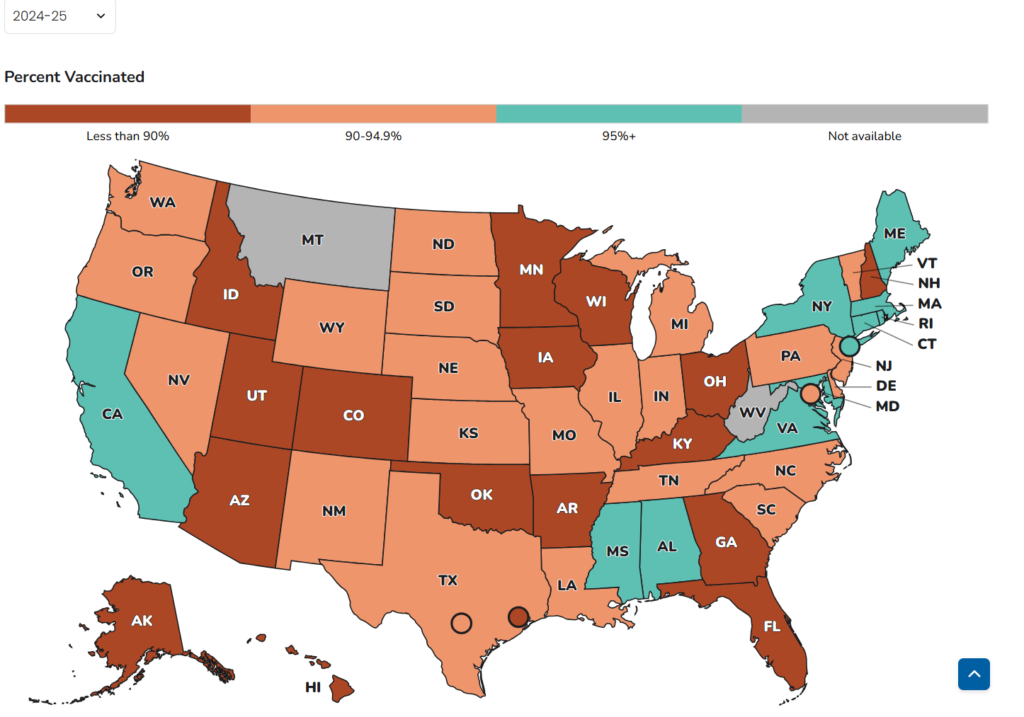
Some in anti-vaccine wings have expressed feelings of betrayal at Trump’s pick.
In a social media post Nicholas Hulscher, an activist with the anti-vaccine advocacy organization the McCullough group, lamented the nomination. “Trump’s new CDC director pick, Erica Schwartz, forced smallpox, anthrax, and flu shots into our troops with threats and discipline for those who refused. She personally wrote and signed the DIRECT ORDERS making them MANDATORY for Coast Guard troops.”
Others closer to Secretary Kennedy, including his former personal attorney Aaron Siri, also criticized Schwartz’s vaccine mandates when she served as Rear Admiral in the Coast Guard.
“This agency does not need another cheerleader for industry; it needs a regulator over industry,” Siri said in a statement to Politico last week.
The administration announced several other CDC leadership changes, including Sean Slovenski, a digital health administrator, as deputy director and chief operating officer; Dr Jennifer Shuford, commissioner at the Texas public health department, as chief medical officer and deputy director; and Dr Sara Brenner, who serves as FDA principal deputy commissioner, to be a senior adviser to Kennedy.
Combat the infodemic in health information and support health policy reporting from the global South. Our growing network of journalists in Africa, Asia, Geneva and New York connect the dots between regional realities and the big global debates, with evidence-based, open access news and analysis. To make a personal or organisational contribution click the donate button below.