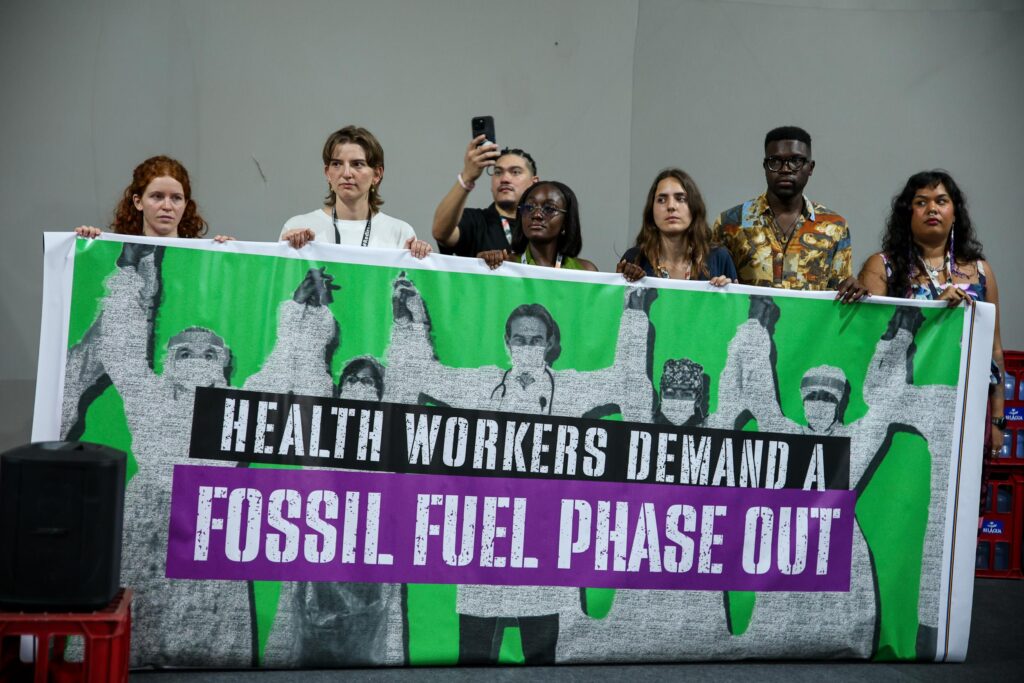
The last 12 months have been an unpredictable rollercoaster for those of us working in global health, climate change and development: trade wars, real wars, job and finance cuts, cost of living pressures, attacks on science, the rise of far-right extremism, and the increasingly deadly impacts of climate change, to name but a few of the challenges we currently face.
Only a fool would have the confidence to predict what happens next. This author will try, nevertheless. Here are some of the key moments in global health and climate change that we can expect in 2026.
January: High Seas Treaty becomes international law

The High Seas Treaty officially enters into force on 17 January. The treaty – formally known as the UN Agreement on Biodiversity Beyond National Jurisdiction (BBNJ) – was adopted by UN Member States in June 2023 after nearly two decades of negotiations. It has now been ratified by over 60 countries and will enter into force in January.
The treaty offers new legal protections for marine biodiversity in international waters, which cover nearly half the planet’s surface. By enabling the establishment of marine protected areas and strengthening international rules, the treaty can help achieve the global biodiversity goals of protecting 30% of the planet’s land and ocean by 2030.
Welcoming the development, UN Secretary-General António Guterres said “the ocean’s health is humanity’s health”.
February: Negotiations on the global plastics treaty

Global talks on a treaty to end plastic pollution collapsed in August 2025 after six rounds of negotiations. A coalition of over 100 countries wants the agreement to reduce plastic production, to ban the most dangerous chemicals used in plastic products and to protect human health. Oil-producing countries, on the other hand, have resisted a limit on plastic production in the treaty, arguing that it should only focus on demand-side measures like recycling.
On 7 February, a short session of the Intergovernmental Negotiating Committee (INC) will appoint a new chair to facilitate the discussions between countries, with a series of negotiations likely to follow throughout 2026.
April: International conference on fossil fuel transition
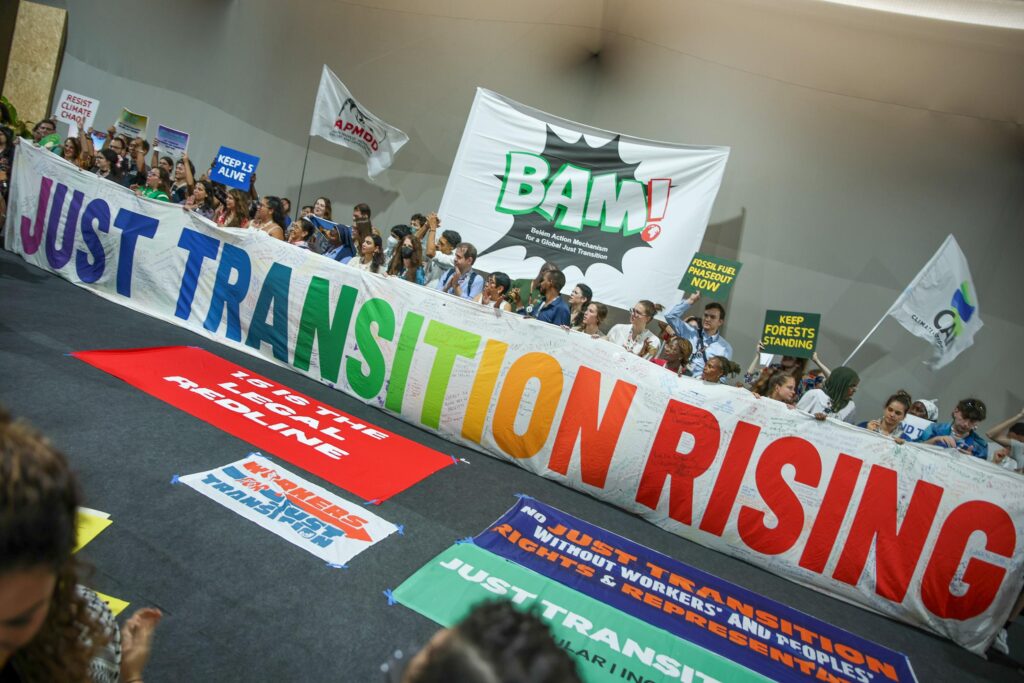
The governments of Colombia and the Netherlands will co-host the first-ever International Conference on the Just Transition Away from Fossil Fuels. This follows calls by over 80 countries at COP30 to develop a global roadmap to transition away from fossil fuels.
The convening will take place on 28-29 April in the Colombian port city of Santa Marta, which is the country’s major port for coal exports. Pacific nations have also committed to convening a follow-up meeting to advance the outcomes.
It remains to be seen how the Colombia conference and efforts to develop a global fossil fuel reduction roadmap can be introduced into the formal climate negotiations. The roadmap currently sits outside of the formal UN regime, with the Brazilian COP30 presidency holding the pen. Some creative diplomatic manoeuvring by the countries supporting the roadmap might be needed to anchor it to COP31 at the end of the year.
May: World Health Assembly

The 79th World Health Assembly is scheduled for 18–23 May in the Swiss capital of Geneva. The gathering of the world’s health ministers is expected to finalise the Pathogen Access and Benefit-Sharing (PABS) system as part of the new WHO Pandemic Agreement. Discussions on wider global health reform will also gather pace.
Following the adoption of WHO’s Global Action Plan on Climate and Health last year, we can expect continued pressure from countries to strengthen the global response to the health impacts of climate change.
The health harms of fossil fuels will likely receive renewed attention at this year’s WHA. Even though WHO’s climate plans omitted a focus on fossil fuels, many countries and partners are pushing for stronger action to transition away from polluting energy sources.
June: UN climate talks in Bonn
Following a mixed outcome at the COP30 UN Climate Change Conference in Belém, Brazil, governments will have to pick up the pieces at the climate negotiations from 8 to 18 June in the German city of Bonn.
Key areas of work will include the implementation of a set of indicators — including health indicators – to track global progress on climate adaptation. Following a push by Island Countries, negotiators will also discuss how to respond to the persistent gap in ambition to reduce temperatures to 1.5°. A first-of-its-kind dialogue on the role of trade and international cooperation in taking climate action will also take place.
June: Elections in Ethiopia
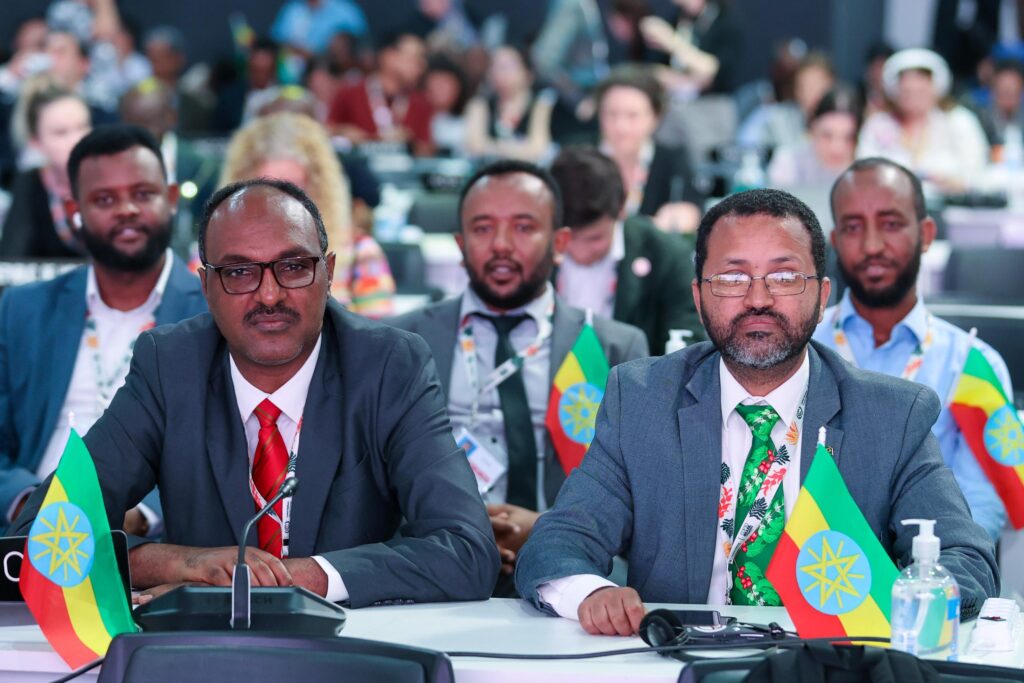
The country hosting the COP32 climate conference in 2028 will go to the polls mid-year. Elections in Africa’s second-most populous country may give local and international observers an initial sense of the political difficulties that Ethiopia will have to navigate while hosting the world’s most important climate conference in 2028.
The ruling Prosperity Party, led by Prime Minister Abiy Ahmed, is expected to win following the jailing or expulsion of most opposition leaders. A new draft law prepared by Abiy’s government will grant authorities far-reaching powers to restrict civil society groups on “national security” grounds.
August: Pacific Island Forum

The Republic of Palau will host the 55th Pacific Islands Forum (PIF) in August. The forum will bring together the heads of state from the Pacific Islands, Australia and New Zealand, alongside regional organisations and civil society.
The PIF plays an important role in developing a common position across Pacific Island countries. Among the key topics will be the role of oceans in securing health and climate goals, as well as a push for a just transition to a Fossil Fuel Free Pacific. This year’s forum might host follow-up discussions on a global roadmap to transition away from fossil fuels, and will function as a stepping stone to a Pacific pre-COP two months later.
October: European mayors’ summit on climate and health
The mayor of Cork has invited mayors from across Europe to attend a major summit on climate and health. During the summit, city leaders will explore city-led solutions that reduce emissions, strengthen resilience, and enhance the well-being of populations. This will come at a time when Ireland holds the Presidency of the Council of the European Union.
October: Pre-COP in the Pacific
About a month before the COP31 climate conference kicks off in Türkiye, ministers and lead climate negotiators will be invited to the Pacific for a pre-COP meeting. A pre-COP is a preparatory meeting for key decision makers, which provides a key forcing moment to align on priorities, build coalitions, and settle early disagreements before the formal climate negotiations commence.
By hosting the pre-COP, Pacific island countries (the host island has yet to be decided) can ensure their priorities remain at the centre of the climate talks and raise the bar for success at COP. The Pacific has long prioritised climate and health, including with a special initiative to address the health impacts of climate change in Small Island Developing States at COP23 in 2019, which was presided over by Fiji.
October: Global conference on tipping points
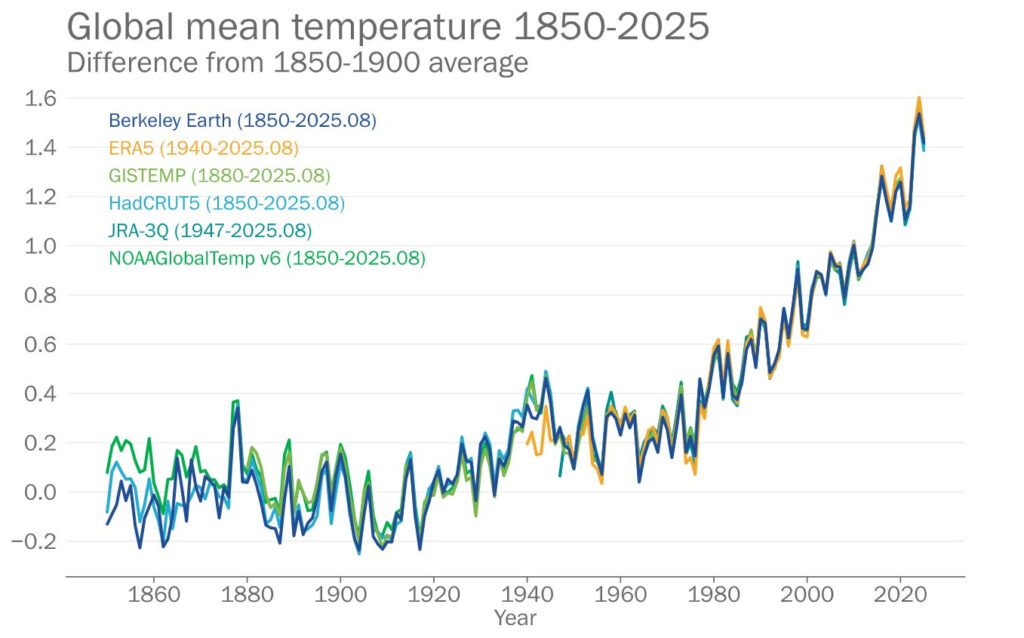
Malaysia will host a Global Tipping Points Conference in October, following successful events in 2022 and 2025. The conference will provide the latest scientific updates on global climate tipping points and risks with a focus on Asia and the Pacific. It will also share opportunities and initiatives to drive accelerated climate action through positive tipping.
The conference, hosted by the Sunway Centre for Planetary Health in Kuala Lumpur, will have a particular focus on tipping points at the climate-health-equity nexus in Asia-Pacific.
November: COP31 UN climate conference
COP31 will take place in the Turkish resort town of Antalya this year from 10-21 November. Türkiye will physically host the talks, be in charge of the action agenda, and appoint the COP31 president, while Australia will lead the formal negotiations.
If Australia, Türkiye and the Pacific can combine their diplomatic assets, they might be able to meaningfully improve climate diplomacy and international collaboration between countries. However, the COP31 power-sharing between Türkiye and Australia is an unprecedented and potentially risky arrangement, given the current geopolitical environment.
Despite not being formally on the agenda for COP31, fossil fuels will likely be one of the main areas of focus. The case for a rapid shift away from fossil fuels is getting stronger by the day. Expect the economic, energy security, and health arguments against fossil fuels to gather pace in 2026. However, whether the UN climate negotiations themselves can actually yield a more detailed commitment on fossil fuel phaseout before the end of the year remains to be seen.
All we can say for certain is that 2026 promises to be an interesting year for climate and health diplomacy.

Arthur Wyns is a former senior advisor to the United Arab Emirates COP28 Presidency and the secretariat lead for Friends of Climate and Health, an informal group of countries exploring opportunities to integrate health and well-being into UN climate negotiations. He is also a research fellow at the University of Melbourne, an editor of the Journal of Climate and Health and the governance co-lead of the climate-migration-health network.
Image Credits: Mike Muzurakis IISD/ENB , Julia Goralski/ Unsplash, UNEP, Mike Muzurakis IISD/ENB , Mike Muzurakis/ IISD ENB , WHO / Yoshi Shimizu, WMO.
Combat the infodemic in health information and support health policy reporting from the global South. Our growing network of journalists in Africa, Asia, Geneva and New York connect the dots between regional realities and the big global debates, with evidence-based, open access news and analysis. To make a personal or organisational contribution click the donate button below.