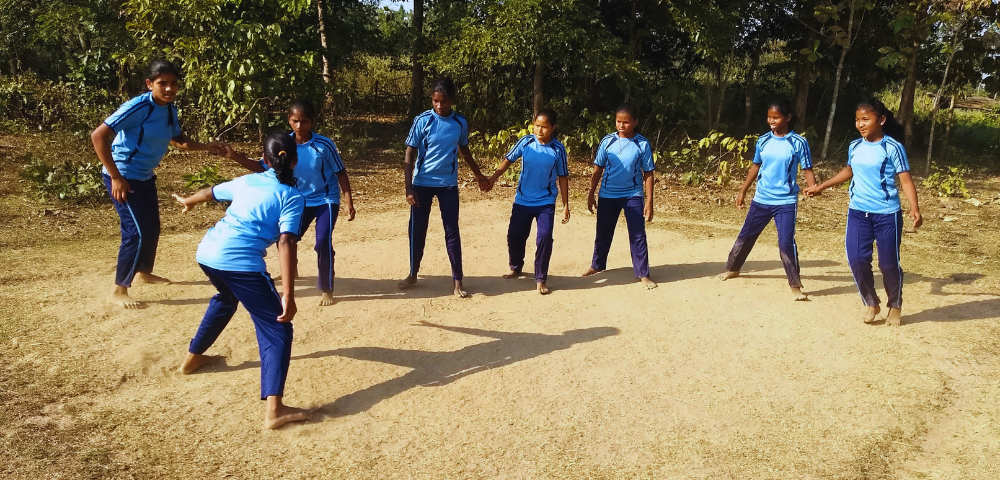
India launched the most extensive free Human Papillomavirus (HPV) vaccination initiative in history to systematically combat the rising toll of cervical cancer. This ambitious 90-day campaign aims to inoculate nearly 12 million 14-year-old girls before the preventative shot is permanently integrated into the country’s universal immunization schedule.
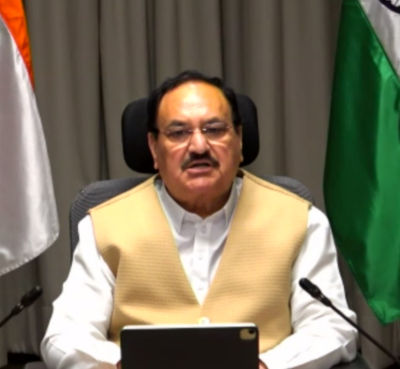
“India has joined the community of 160 countries in the global fight against cervical cancer,” stated India’s Minister of Health Jagat Prakash Nadda at a World Health Organization (WHO) press briefing on Thursday.
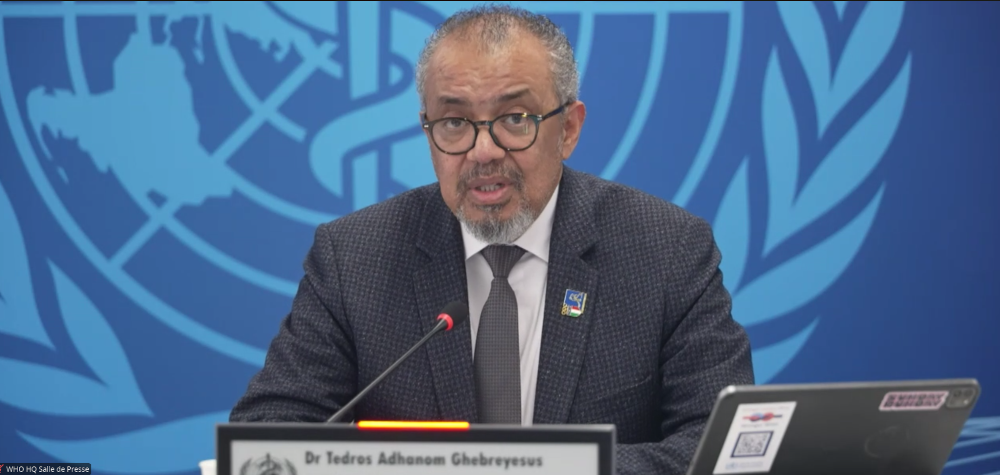
WHO Director-General Dr Tedros Adhanom Ghebreyesus commended the Indian government’s leadership and congratulated their progress toward the WHO’s ambitious 90-70-90 elimination targets. This global strategy states that by the year 2030, 90% of girls must be vaccinated, 70% of women must be screened, and 90% of women with cervical cancer or precancerous lesions must receive treatment.
HPV is a prevalent family of viruses that remains the leading cause of cervical cancer globally. Because of this direct viral link, administering the targeted HPV vaccine to young girls before they become sexually active is a highly effective clinical strategy proven to reduce cervical cancer cases by almost 90%.
With its HPV vaccination campaign, India is combating an immense localized crisis, with over 127,000 women diagnosed with the cancer annually, leading to approximately 80,000 deaths. To address this, the government has already screened 86 million women across 181,000 specialized health and wellness centres nationwide.
The massive logistics behind the immunization campaign is managed through India’s proprietary U-WIN digital platform, capturing end-to-end records of all immunizations and monitoring vaccine stocks to prevent critical supply shortages.
African leadership in global HPV vaccination rates
Concurrently, South Africa is drastically elevating its own historical battle against the devastating disease through high-level political intervention. A massive new national push to completely eliminate cervical cancer will be officially inaugurated by the country’s highest office in the coming weeks.
“It is no longer the minister of health who is going to launch this campaign to end cervical cancer, it will be the president himself,” confirmed South African Minister of Health Aaron Motsoaledi.
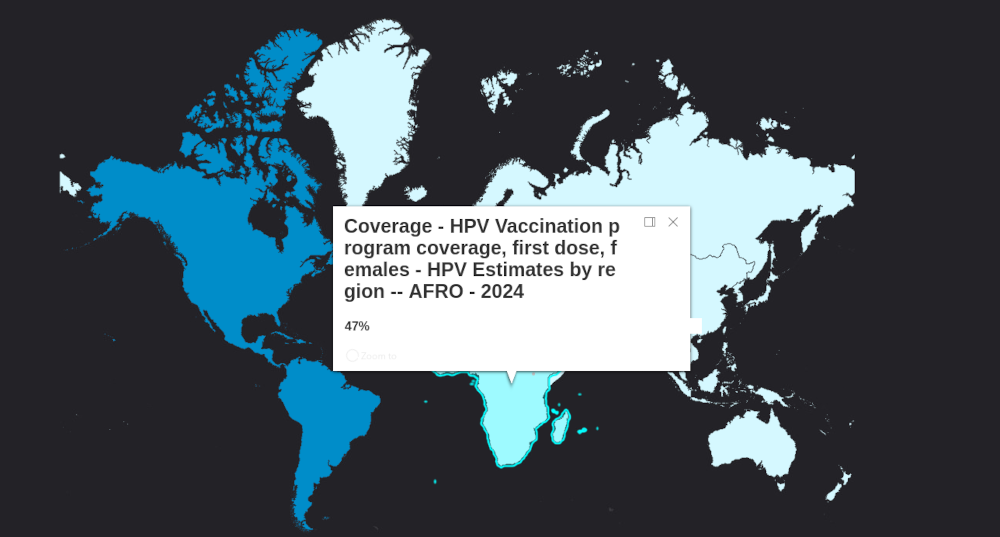
According to the WHO immunization dashboard, The African region has made spectacular strides in localized coverage, officially overtaking Europe to claim the second-highest first-dose HPV vaccination rate globally. Following setbacks in countries like Malawi, the African region’s trajectory – climbing from 9% in 2016 to 40% in 2023 and reaching 47% in 2024 – stands in stark contrast to Europe’s stagnation at 41%.
For years, the South-East Asia region hovered around a staggering 3% coverage rate for females from 2016 to 2022. The region broke double digits in 2024 by reaching 14% coverage, and India’s newly announced campaign targeting 14-year-old girls guarantees this upward trajectory will continue swiftly.
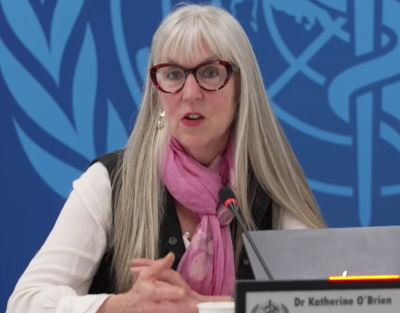
This progress is largely attributed to the transition toward simplified, single-shot immunization regimens worldwide. “It makes the way of administering a vaccine so much easier,” explained WHO Director of Immunization, Vaccines, and Biologicals, Kate O’Brien.
“We have some estimates that as a result of countries switching to the one dose schedule, something in excess of 30 million additional girls have been able to be vaccinated.”
Community-driven strategies power South Africa’s rollout
While financial constraints previously limited this life-saving intervention exclusively to public institutions, the official adoption of a single-dose regimen has fundamentally transformed the economic maths in South-Africa’s immunization efforts.
This crucial shift allows South Africa to stretch its self-funded resources and expand its protective network into private and independent schools, which serve roughly 5% of the student population.
Another key to success is South Africa’s distribution model that relies heavily on a collaborative framework between the health and basic education ministries. The ‘Integrated School Health Program’ utilizes dedicated school nurses to administer the HPV vaccine and engages with both parents and local school governing bodies.

Securing parental consent is a fundamental pillar of the rollout, with officials strategically bundling permission slips with annual school registration forms to maximize compliance.
“Some of the nurses have given us feedback that they [the girls] just join the queue because they don’t want to be left behind by their peers, and it’s quite difficult to refuse to give such young girls the vaccination,” stated Nothemba (Nono) Simelela, adviser to the South African Minister of Health.
Innovating HIV medication to tackle overlapping threats
The underlying urgency to protect these vulnerable populations is driven by stark epidemiological realities regarding overlapping threats. Women living with HIV are six times more likely to develop cervical cancer compared to women without HIV, according to the WHO.
Recognizing that overcoming this deadly coinfection crisis requires a two-front defence, South Africa is confronting its staggering HIV burden with groundbreaking pharmaceutical developments. Just today, the state announced its intention to begin locally manufacturing Lenacapavir, a highly preventative medication.
This pharmaceutical is technically not a vaccine, but it operates as a long-acting antiretroviral injection administered every six months to high-risk individuals. In recent clinical trials, the preventative treatment has been shown to block almost all cases of HIV transmission among vulnerable demographics, Dr Tedros explained.
Global health authorities have fast-tracked the drug’s approval process to ensure equitable international distribution as quickly as possible. “It’s the first time WHO has developed pre-qualification and guidelines in parallel not in sequence to speed up equitable access to innovative new tools,” announced the WHO Director-General.
South Africa previously became the first nation in Africa to officially approve the preventative medication back in October last year. The planned massive rollout of this drug represents a fundamental shift in how the continent approaches its long-standing battle against the devastating HIV epidemic.
Image Credits: Felix Sassmannshausen, Pravin via Canva.
Combat the infodemic in health information and support health policy reporting from the global South. Our growing network of journalists in Africa, Asia, Geneva and New York connect the dots between regional realities and the big global debates, with evidence-based, open access news and analysis. To make a personal or organisational contribution click the donate button below.