
After the setback due to COVID, the global burden of tuberculosis (TB) is declining once again, but five years behind the original target, according to the 2026 World TB report released by the World Health Organization (WHO) on Thursday.
Globally in 2025, the TB incidence rate was 129 new cases per 100,000 people. This was a 1.6% decline compared with 131 cases per 100,000 people in 2024.
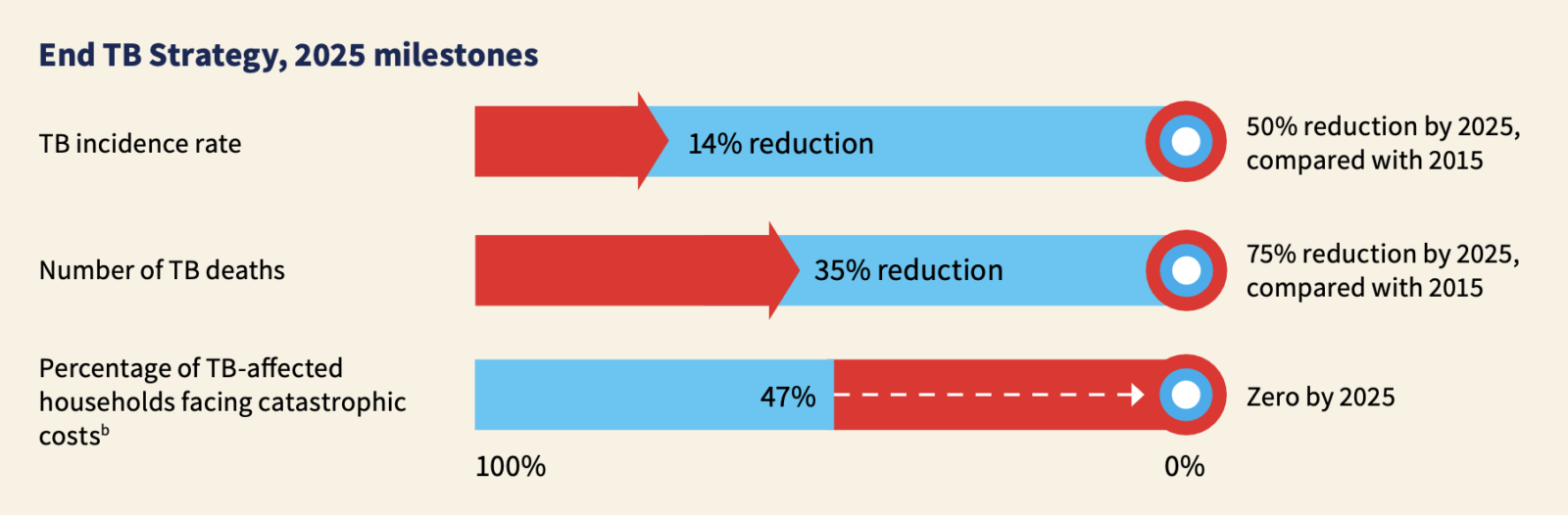
In the decade between 2015 and 2025, TB incidence fell by 14%. While that is progress, it is far from the 50% target set by the End TB Strategy for the year 2025, and an 80% decline by the year 2030.
Despite this, TB remains one of the leading causes of death from a single infectious agent, with a quarter of all cases concentrated in India in 2025.
The reduction in international donor funding for the infectious disease is a cause of concern, the report noted.
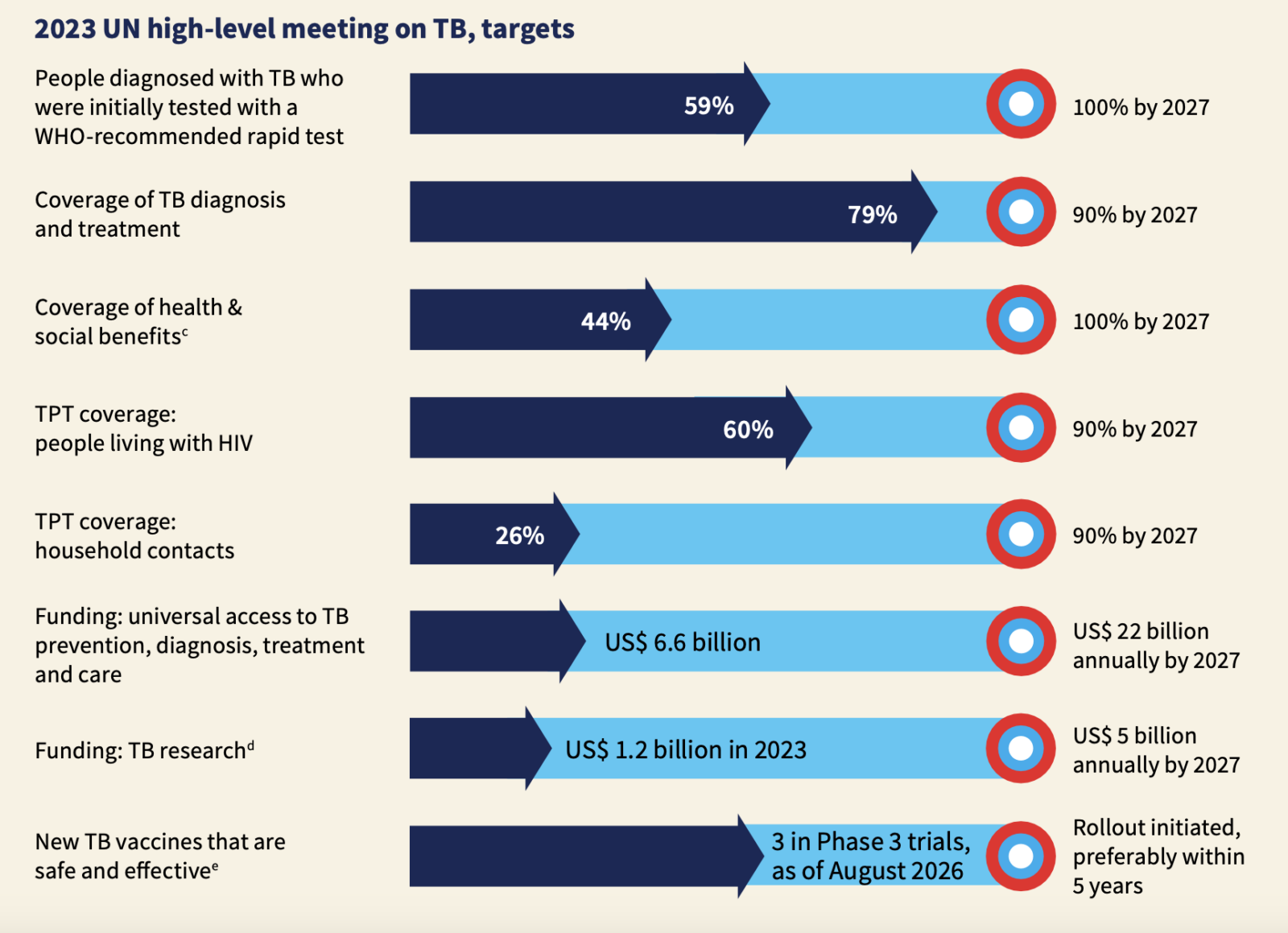
“In 2025, total funding for TB prevention, diagnosis, and treatment reached $6.6 billions, just 30% of the $22 billion annual target for 2027,” said Dr Tereza Kasaeva, director at the Department for HIV, TB, Hepatitis and STIs at the WHO.
Majority patients in 30 high-burden countries
Most of the people who develop TB are concentrated in 30 high-burden countries that account for 88% of all the cases globally.
The top eight countries in terms of TB cases (about two-thirds of the worldwide total) include India (about a quarter), Indonesia (10%), the Philippines (6.8%), China (6.5%), Pakistan (6.4%), Nigeria (4.9%), the Democratic Republic of the Congo (3.9%) and Bangladesh (3.7%).
Over half (54%) of those infected were men. Another 35% were women and 11% were children.
Africa and European regions registered significant progress in reducing the total number of cases, as did China and India, WHO experts said at the briefing.
TB deaths are falling, but funding cuts pose challenges
In 2025, around 1.13 million people died from TB, 4% less than the 1.18 million deaths in 2024 and a 35% decline from 1.74 million deaths in 2015.
This made 2025 a landmark year in which the first milestone of the End TB Strategy, originally set for 2020, was finally reached. However, the target of a 90% reduction in cases by 2030 remains distant.
WHO fears that the drop in international funding could offset the gains made in TB care, if they continue.
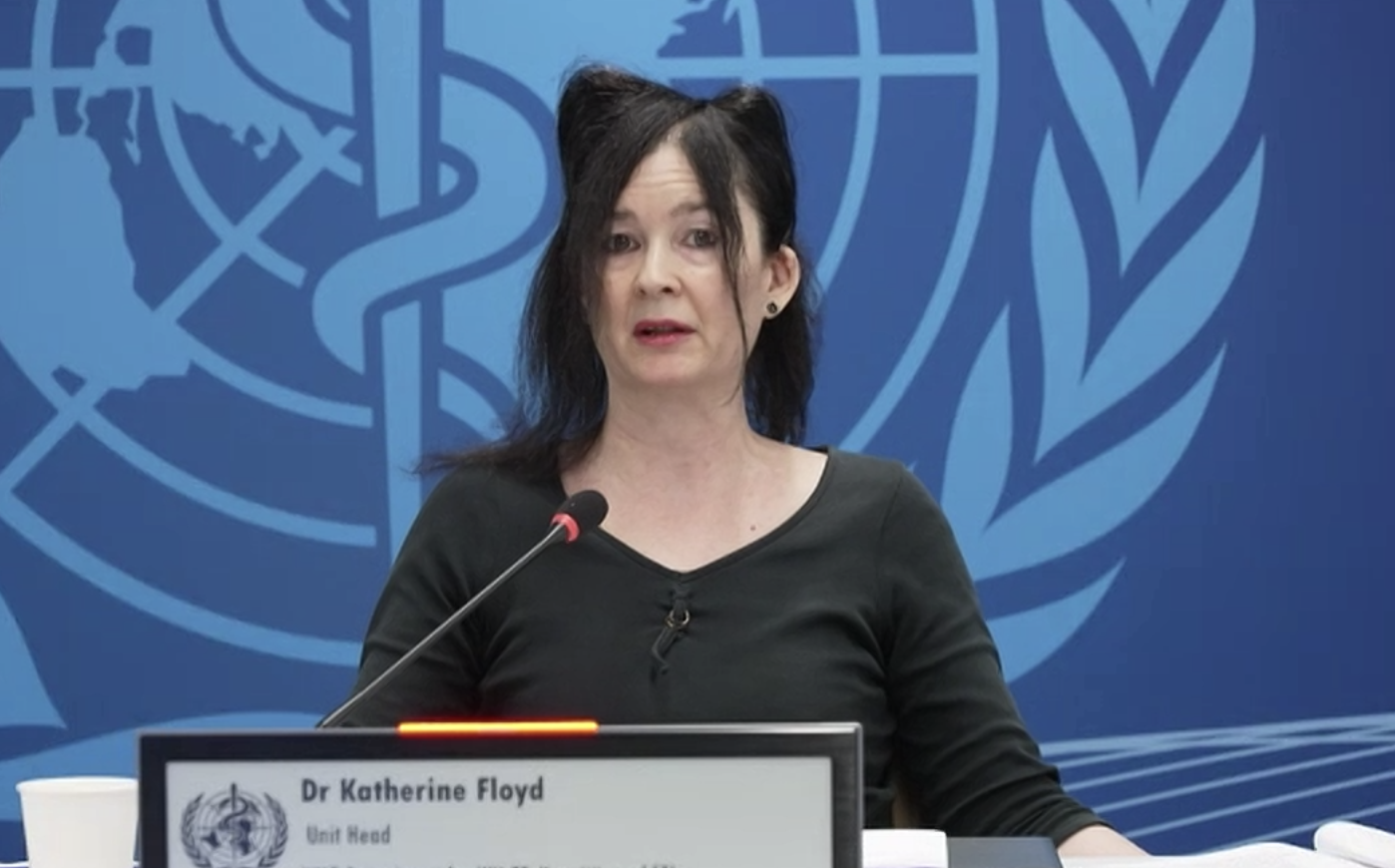
“There are also high TB burden countries where overall funding fell in 2025. And although there was no clear-cut negative impact on TB diagnosis, treatment and prevention in 2025, based on the data that have been reported so far, we know that impacts may be delayed, and this is something that needs ongoing attention,” said Dr Katherine Floyd, unit head for monitoring, evaluation and strategic information at the department for HIV, TB, Hepatitis and STIs at the WHO.
Some high high-burden countries have increased domestic funding to fill in the gaps, with the biggest increase being in India and Indonesia – two of the highest burden countries.
“Looking across the report as a whole, what’s quite striking is that most indicators of progress moved slowly in the right direction or were relatively stable between 2024 and 2025,” Floyd added. “This is true of epidemic trends as well as the coverage of TB diagnostic treatment and preventive interventions.”
Image Credits: Unsplash/CDC, Global TB Report 2026.
Combat the infodemic in health information and support health policy reporting from the global South. Our growing network of journalists in Africa, Asia, Geneva and New York connect the dots between regional realities and the big global debates, with evidence-based, open access news and analysis. To make a personal or organisational contribution click the donate button below.