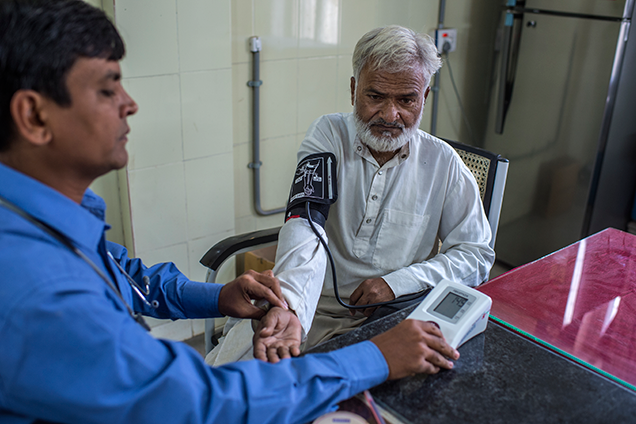
Over 100 million people in India are estimated to be living with diabetes, and many with the most common form, type 2 diabetes, delay insulin therapy by seven to nine years, according to studies. Dr Viswanathan Mohan, one of India’s leading endocrinologists, explains some of the facts and myths about the condition.
Health Policy Watch: Why do people in India delay insulin treatment for years, even when it is medically necessary?
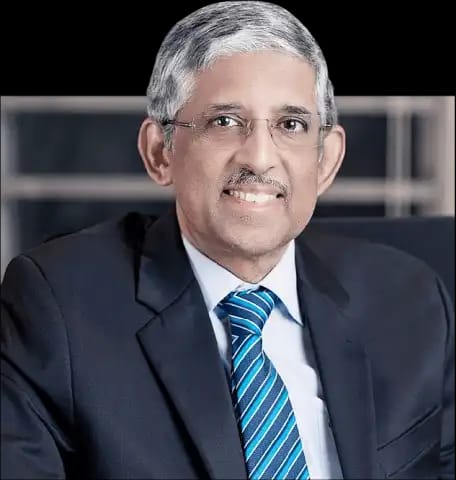
Dr V Mohan: It is not just in India. People around the world are reluctant to take insulin because they believe that once they start, they will have to take it for the rest of their lives. In India, people also tend to associate starting insulin with the end of their lives.
They may have seen a patient admitted to an intensive care unit in a critical condition, given insulin and subsequently die. In some cases, the patient may have died from other causes, such as heart failure or multiple organ failure. But people interpret such instances as evidence that starting insulin means the end is near.
In reality, it is quite the opposite. When other medications fail to control blood sugar levels adequately, insulin may be the most appropriate treatment.
Some people also mistakenly believe that insulin is an addictive substance, like narcotic drugs. These are all myths.
HPW: Why do some people believe insulin is addictive, and can patients stop taking it once they start?
Dr V Mohan: This is a myth. Insulin is a life-saving medication, and it is not addictive. A person can stop taking insulin if their clinical condition allows it and their doctor recommends doing so
There is also a view, which I share, that when blood sugar levels are very high in the early stages of diabetes, particularly when someone has been diagnosed late or has gone undiagnosed for a long time, a short course of insulin can have lasting benefits. Even if a patient takes insulin for just one month, with one injection a day for 30 days, the benefits may persist for years in some cases.
HPW: Do all patients with diabetes eventually need insulin?
Dr V Mohan: It is important to distinguish between the different types of diabetes. In type 1 diabetes, the body produces little or no insulin, making insulin therapy essential for survival. Although type 1 diabetes accounts for a smaller proportion of cases and is often diagnosed in children and young people, adults can develop it too.
This discussion, however, focuses on type 2 diabetes, which accounts for the vast majority of diabetes cases worldwide. Unlike type 1 diabetes, insulin is not necessary for every person with type 2 diabetes. Depending on their individual circumstances, some patients can manage their blood sugar levels through dietary changes, exercise and oral medications.
However, when blood sugar levels remain very high or other treatments fail to provide adequate control, insulin may become necessary.
Doctors sometimes continue adding oral medications even when the additional benefit from each drug becomes progressively smaller. The first medication might reduce a patient’s HbA1c level, a measure of average blood sugar, by two percentage points. A second drug might bring a further reduction of one percentage point, while a third might lower it by only 0.3 or 0.4 percentage points. The benefit may diminish further as additional drugs are introduced.
At that stage, doctors may recommend insulin to bring blood sugar levels under control. But patients can remain reluctant, viewing insulin as a last resort rather than a necessary step in managing their condition.
‘This is the time when we recommend insulin, but people resist, saying that insulin is the last thing they would want to take,’ Mohan says.
HPW: Have newer treatments changed this situation? And has the World Health Organization’s Global Diabetes Compact improved access to care?
Dr V Mohan: We now have newer drugs, including GLP-1 medicines, which have been available in India for the past year or two. When two or three oral therapies fail, doctors may prefer these drugs before insulin. However, they have their own constraints, particularly their high cost.
As far as the WHO Global Diabetes Compact is concerned, it has helped raise awareness about the rights of people with diabetes. One of its aims was that no adult or child with type 1 diabetes should die because of a lack of insulin. Insulin was recognised as a fundamental necessity, and global benchmarks were established.
However, whether these commitments have translated into measurable improvements in the quality of care is not something I can point to a formal study on. Awareness has certainly increased.

HPW: Does insulin have any side effects?
Dr V Mohan: Insulin is a miracle drug because it can reduce blood sugar levels in people with diabetes. But it has some side effects. One is weight gain, because insulin is a hormone. Another is hypoglycaemia, or low blood sugar, which patients need to be aware of and know how to manage.
HPW: With GLP-1 drugs now available, can patients avoid insulin altogether?
Dr V Mohan: Certainly not. In complicated situations, insulin remains essential. For example, it is used in the management of blood sugar during surgery and in certain acute medical situations, including heart attacks and strokes. During the COVID-19 pandemic, insulin was also used to manage blood sugar levels in patients who needed it. Newer medicines do not mean insulin is no longer necessary. The appropriate treatment depends on the patient’s condition.
HPW: Clinical inertia has also been identified as a reason for the seven-to-nine-year delay in insulin treatment. What role do doctors play?
Dr V Mohan: It is not only patients who are responsible for these delays. Doctors can also contribute to them. Prescribing a tablet is relatively simple: a doctor can tell a patient to take it in the morning or afternoon, before or after a meal. Insulin requires much more instruction and time.
Doctors must teach patients how to inject insulin, where to inject it, how deep the injection should go and how to rotate injection sites. They must also explain how to recognise and manage low blood sugar and how to monitor glucose levels themselves.
All this takes considerable time. A doctor may think they will explain everything at the patient’s next visit. But the patient may not return for months or even a year, sometimes because they fear being advised to start insulin. The delay continues, and this clinical inertia can persist for years.
Meanwhile, patients may develop complications affecting their eyes, heart and kidneys because their blood sugar levels remain above recommended targets.
HPW: Why do some patients continue to have uncontrolled blood sugar levels even after starting insulin?
Dr V Mohan: There can be several reasons. Some patients may become less careful about their diet or sleep because they believe that starting insulin means their diabetes is now under control. Stress can also affect blood sugar levels.
Dosage is another factor. Insulin doses need to be adjusted according to blood sugar monitoring. If patients do not monitor their levels properly, their blood sugar may remain uncontrolled.
Taking insulin is not enough on its own. Patients need appropriate doses, regular monitoring and follow-up care.
HPW: If you could change one thing about India’s healthcare system to improve diabetes care, what would it be?
Dr V Mohan: I would focus on precision diabetes treatment. We now know that not everyone has the same type of diabetes. Some people have type 1, others have type 2, and there are additional forms of the disease.
First, patients need an accurate diagnosis of the type of diabetes they have. Second, the diagnosis must be made early, rather than allowing people to go years without knowing they have the disease.
Third, patients must receive the appropriate treatment, whether oral medicines, insulin or GLP-1 drugs, depending on which treatment is best for them.
Most importantly, there must be regular follow-up. Some people ask why they should attend check-ups when they have no symptoms. This is one of the biggest mistakes they can make. Diabetes is called a silent killer, and the absence of symptoms does not mean that blood sugar levels are under control or that complications are not developing.
Dr V Mohan is an Indian physician specialising in diabetology. He chairs Dr Mohan’s Diabetes Specialities Centre, a hospital chain headquartered in Chennai, designated as a WHO collaboration centre on NCDs. He also chairs the Madras Diabetes Research Foundation (MDRF). He has authored over 1,200 research publications and has been ranked among the world’s top 2% of scientists by Stanford University.
Image Credits: WHO/A. Loke, S. Samantaroy/HPW.
Combat the infodemic in health information and support health policy reporting from the global South. Our growing network of journalists in Africa, Asia, Geneva and New York connect the dots between regional realities and the big global debates, with evidence-based, open access news and analysis. To make a personal or organisational contribution click the donate button below.