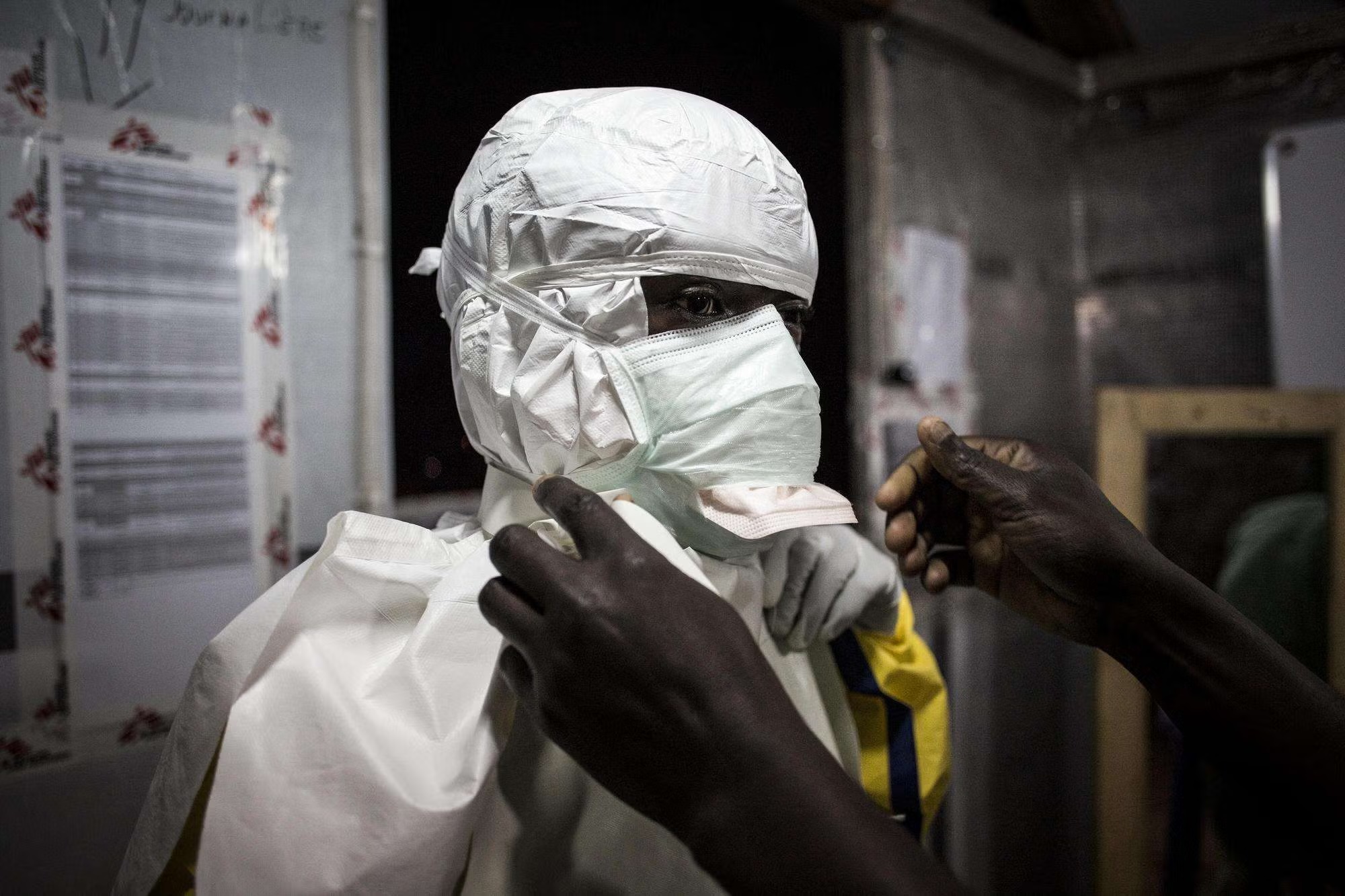
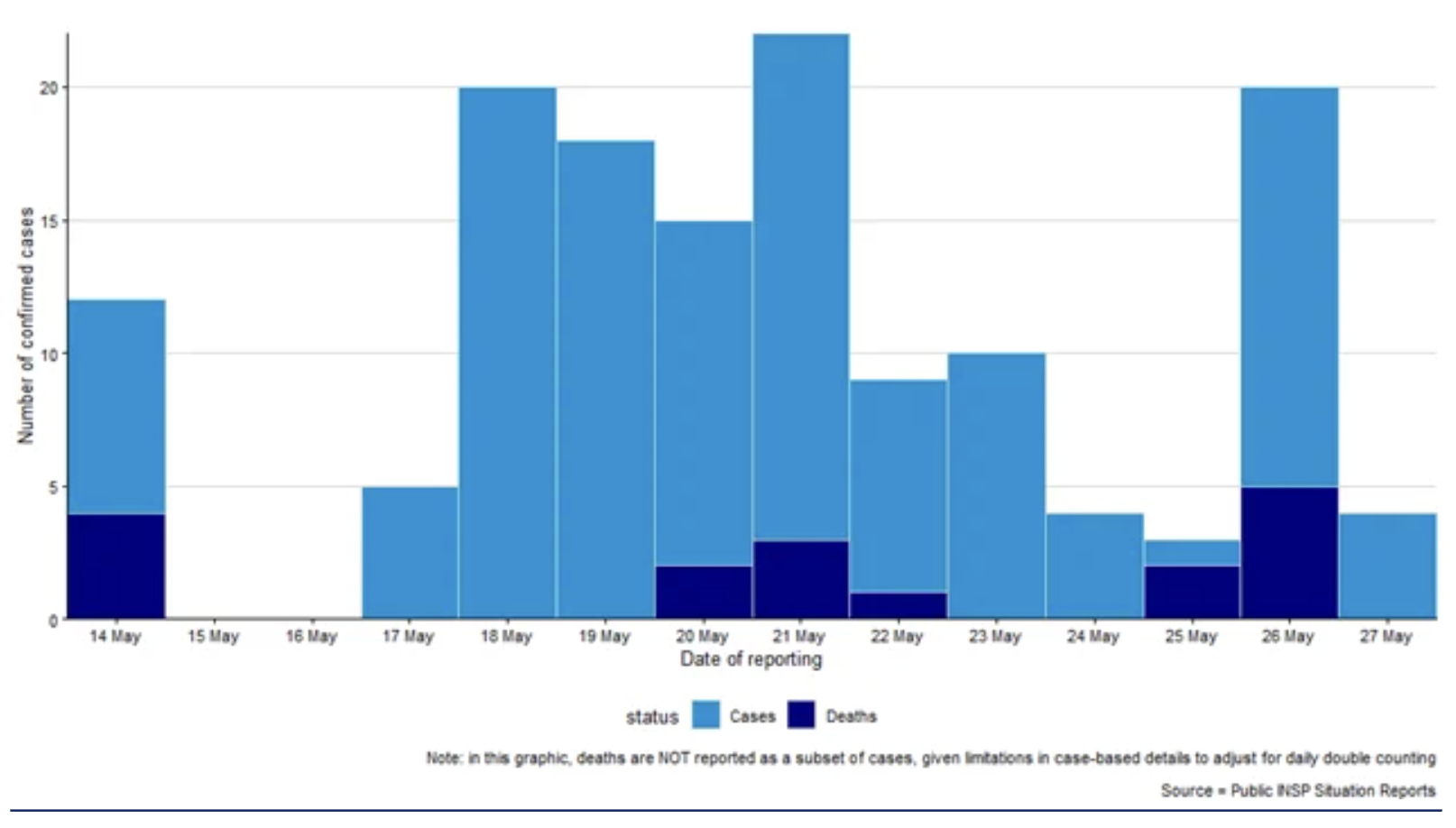
A rare and deadly strain of the Ebola virus is spreading rapidly through a region of the Democratic Republic of the Congo (DRC) that has never previously experienced the disease, pushing suspected cases past 1,000 this week amid severe logistical hurdles and mounting community resistance.
The outbreak, caused by the Bundibugyo version of the virus, has claimed at least 246 lives in the DRC since it first emerged in early May. Three Red Cross volunteers are among the dead after contracting the virus while managing the bodies of Ebola victims without adequate protective gear before the outbreak was detected.
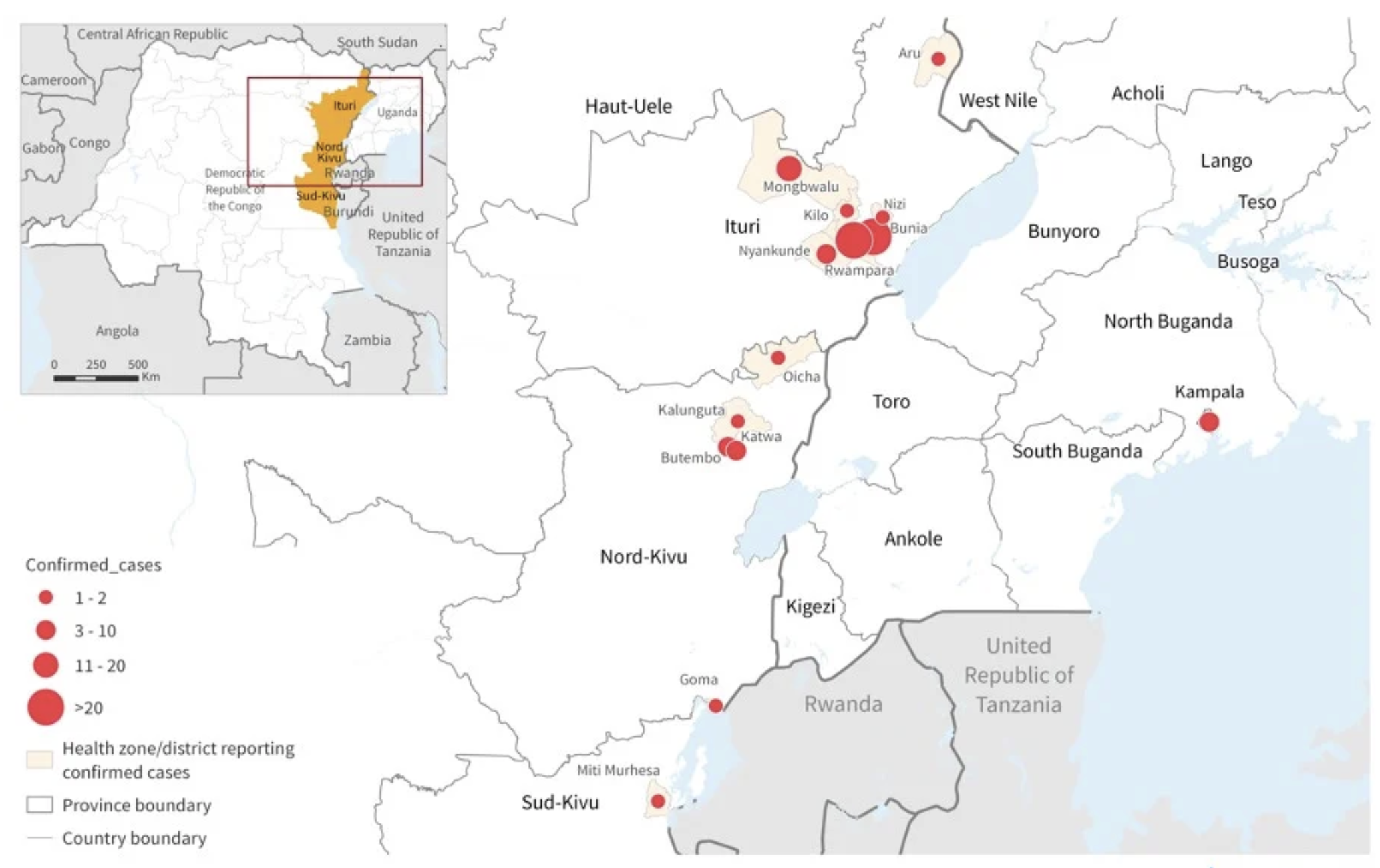
The Ministry of Health in the DRC described the outbreak in a joint statement with the World Health Organization (WHO) late Sunday as “a rapidly evolving situation, with cases and deaths notified in several health zones” across Ituri, North Kivu and South Kivu.
“Persistent challenges include early detection and isolation of cases, contact tracing, safe and dignified burials, robust infection prevention and control in health facilities, and strong community awareness,” the ministry added.
Medical charity Médecins Sans Frontières warned that the true scale of the crisis remains unknown, calling the situation “deeply alarming.”
“The reality today is that nobody knows the true scale and severity of this outbreak. New suspected cases are being reported daily, yet hundreds of samples remain untested,” said Dr Alan Gonzalez, deputy director of MSF. “Never before has an Ebola outbreak recorded so many cases so soon after its declaration.”
The crisis currently ranks as the third-largest Ebola outbreak on record based on confirmed and suspected cases, and the virus has already crossed borders, with neighboring Uganda reporting nine confirmed cases and one death.
WHO Director-General Dr Tedros Adhanom Ghebreyesus traveled to Bunia, the epicenter of the outbreak, to oversee the international response on the ground.
“I wish the circumstances were different, but I came because the people of Ituri, the Kivus, and all of DRC deserve to know they are not alone,” Tedros said.
Prior to arriving in Bunia, Tedros met with Prime Minister Judith Suminwa Tuluka in Kinshasa to coordinate the government-led response. He is scheduled to hold subsequent meetings with local ministers, the provincial governor, the Congolese Red Cross, Africa CDC, UNICEF and the World Food Programme.
“DRC has faced Ebola before, sixteen times, and has ended every outbreak,” Tedros said. “This is the seventeenth. That history gives me real confidence.”
‘Not here to tell people what to do’
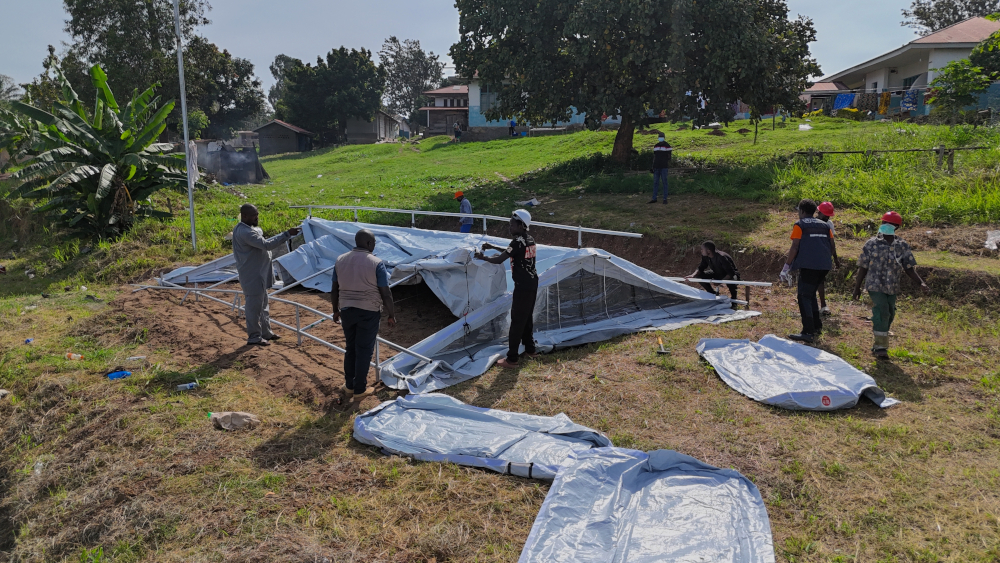
The outbreak is centered in Ituri Province, a region already beset by food insecurity and clashes between armed groups. While eastern DRC cities just five to seven hours away have battled the virus before, Ituri has no history of the disease.
Because residents lack the instincts and training to identify or manage the illness, the sudden arrival of international medical personnel enforcing strict infection protocols has sparked a mixed and sometimes hostile local response.
Much of this mistrust stems from the grim reality of Ebola containment, which requires isolating the sick and strictly prohibiting families from interacting with their deceased loved ones due to the danger of infection.
The bodies of Ebola victims remain highly infectious after death. Traditional funeral rites in the region, during which mourners touch and wash the deceased, have been a persistent driver of transmission in past outbreaks.
While health guidelines mandate that trained teams conduct these “safe and dignified” burials, convincing the local population to set aside their deeply held rituals and hand over their loved ones to foreigners in protective suits has proven incredibly difficult.
Tedros addressed this gulf between community sentiment and the harsh necessity of the outbreak response, acknowledging the cultural friction surrounding the handling of the dead.
“Safe, dignified burials matter too. I understand how painful it is to lose someone, and how much it means to honour them properly,” Tedros said. “But certain practices, including touching the bodies of those who have died from Ebola, can spread the virus further. While we grieve for those we have lost, we must do everything we can so that we do not lose another.”
He added that the World Health Organization’s goal is to act as a partner, rather than an enforcer, in the region.
“We are not here to tell people what to do. We are here to listen,” he said. “Communities understand their own challenges and their own solutions. Our role is to support you in implementing those solutions, together. Community ownership is what will bring this outbreak to an end. “
Doctors in the DRC reported three attacks on health facilities treating Ebola patients in Ituri over the weekend. The violence is largely driven by civilians angry over not being able to bury dead family members, alongside a smaller faction, estimated at about one in four by The Lancet, who believe the outbreak is a hoax.
The hostility echoes the severe violence directed at health workers during the 2018-2020 Ebola outbreak in neighboring North Kivu, where armed attacks on treatment centers repeatedly forced medical teams to suspend operations and resulted in multiple fatalities among responders.
What happened?
Unlike the more commonly known Ebola and Sudan viruses, there is no approved vaccine or preventive treatment for the Bundibugyo strain, forcing medical teams to focus entirely on managing patient symptoms and treating other underlying diseases.
Confirming a diagnosis requires special test kits specific to the individual virus strain, largely because Ebola shares early symptoms with other illnesses endemic to eastern DRC, such as malaria and typhoid. However, kits for the Bundibugyo virus are currently in short supply, significantly slowing case confirmation and subsequently delaying contact tracing and patient isolation.
“This outbreak is unfolding in a context where medical needs are already acute, and we are now at real risk of a silent escalation of other critical health problems people face every day,” Gonzalez said. “So many health facilities are overwhelmed, and access to regular, non-Ebola care is affected while many people remain at home, too afraid to seek care.”
The African Union estimates that approximately $264 million will be required for response operations in the DRC and Uganda to contain the virus, with an additional $54 million needed to strengthen preparedness across neighboring high-risk countries, including South Sudan. Officials caution the figures are preliminary and could increase as the outbreak progresses.
Tedros emphasized that the WHO will continue to coordinate closely with the DRC government, stressing that emergency investments made during the current crisis must be leveraged to fortify the country’s health infrastructure for the future, a sentiment the DRC Health Ministry in its joint statement. Support will continue after the outbreak ends and the public health emergency declared by the UN Health agency draws to a close.
“Our commitment doesn’t end when an outbreak does,” Tedros said. “We want to leave behind health workers, hospitals, laboratories and services that will serve the people of Ituri for many years to come.”
Border shutdown stokes shortage fears
The international response is currently being hindered by critical supply shortages, complex travel restrictions and partial border closures in place between Congo, Uganda and Rwanda. Movement is restricted in and out of the airport in Bunia, an early center of the outbreak, and the city of Goma on the Rwandan border.
While most border closures include loopholes to allow humanitarian aid to pass, the reality on the ground is more complex, and aid workers frequently do not know if they will be permitted to cross a frontier until they arrive at a checkpoint.
These travel restrictions compound existing logistical challenges in a region characterised by rudimentary road infrastructure and the presence of rebel groups, delaying the arrival of specialist personnel and leaving the delivery of protective equipment, medical supplies and food in doubt.
MSF noted from experience that border and airport closures severely hinder outbreak responses and isolate countries that urgently require international support.
As suspected case numbers continue to rise, aid staff are increasingly concerned that food, medicines and protective equipment will become more expensive and difficult to source.
“You can’t expect a big Ebola response and then not let people out of the province,” Trish Newport, Médecins Sans Frontières’ emergency-program manager told Bloomberg.
Image Credits: John Wessels/ MSF, Joël Lumbala/ WHO.
Combat the infodemic in health information and support health policy reporting from the global South. Our growing network of journalists in Africa, Asia, Geneva and New York connect the dots between regional realities and the big global debates, with evidence-based, open access news and analysis. To make a personal or organisational contribution click the donate button below.