The Commonwealth’s new strategic framework accelerates the elimination of cervical cancer, a highly preventable disease that claims hundreds of thousands of lives yearly. However, shifting global funding and major prevention gaps threaten to derail progress, forcing states to double down on shared digital resources, regional cooperation, and community engagement.
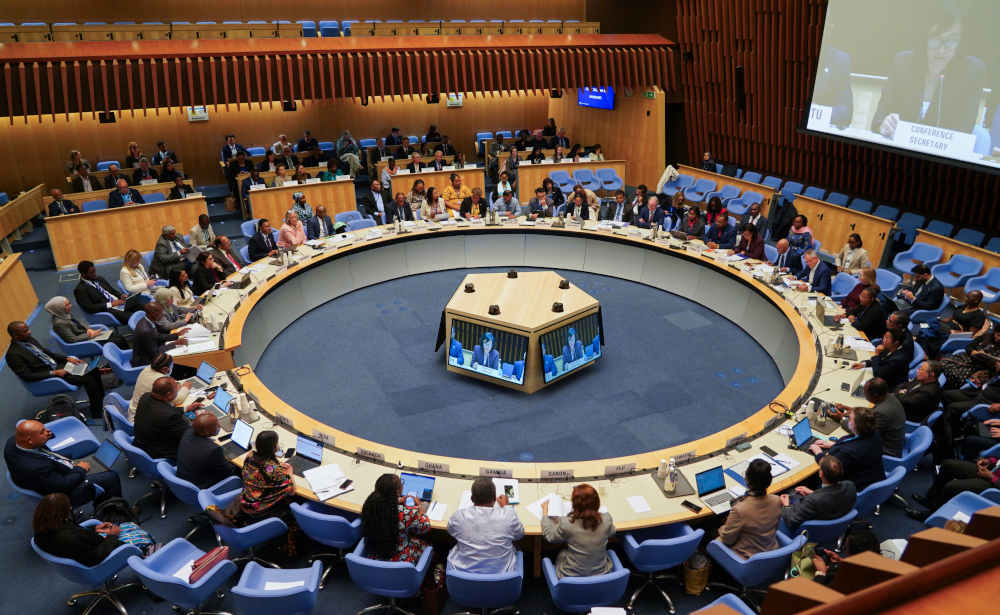
Inside the wood-panelled executive boardroom at the World Health Organization (WHO) headquarters in Geneva, delegates gathered ahead of the 79th World Health Assembly to discuss strategies on cervical cancer elimination in the Commonwealth, a global association of 56 countries that spans both advanced economies and low- and middle-income countries.
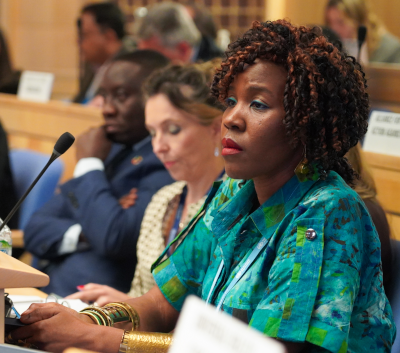
The atmosphere of the inaugural Commonwealth Health Coordination Forum was charged with a mixture of diplomatic ambition and the sobering reality of continued systemic failures.
“Every three minutes somewhere in the world a woman is dying from cervical cancer,” said Professor Miriam Mutebi, an oncologist and chair of the Commonwealth International Task Force for Cervical Cancer Elimination.
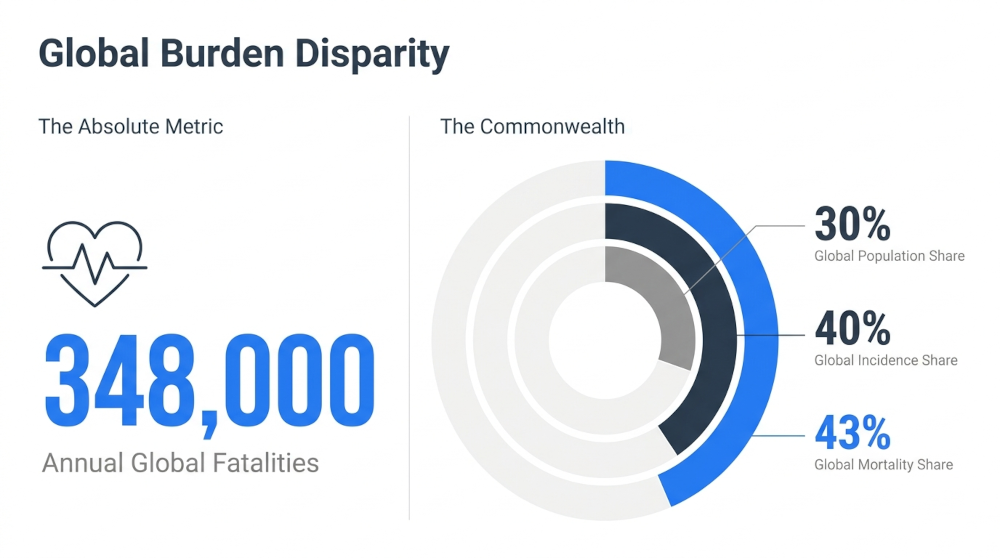
The disease is almost entirely preventable, yet it remains a leading cause of mortality among women worldwide, predominantly in low- and middle-income countries. The human papillomavirus (HPV) drives the vast majority of these fatalities, killing approximately 348,000 women annually.
Low- and middle-income countries bear the highest burden
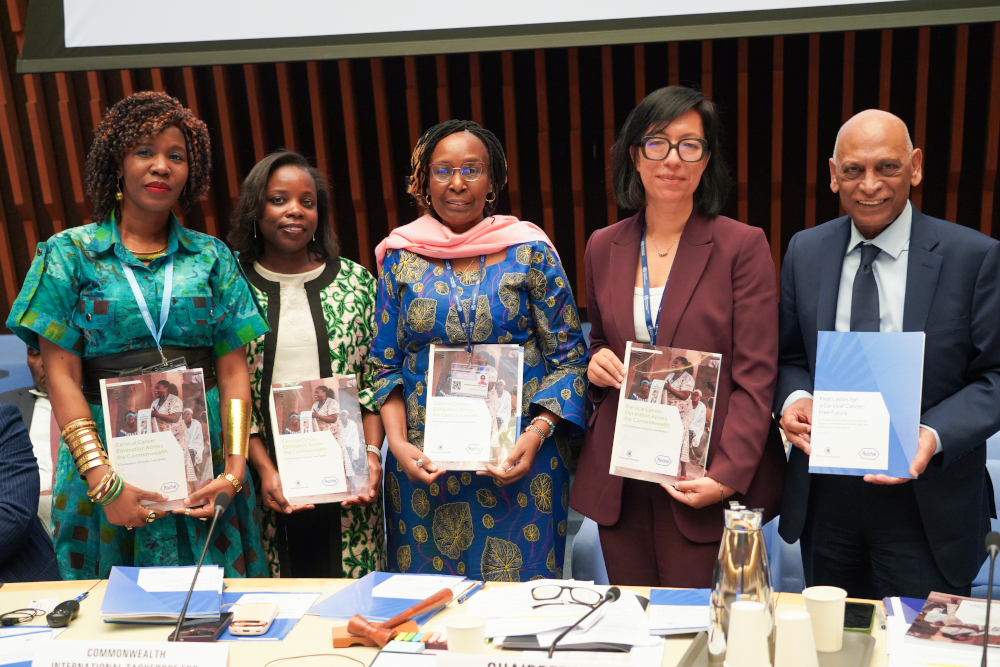
The Commonwealth bears a disproportionate share of this burden, as shown in a newly published report by the Commonwealth Secretariat, developed in partnership with Roche Diagnostics. Its member states account for 40% of global incidence and 43% of mortality, despite representing only 30% of the world’s population of around 2.7 billion.
While most high-income countries are currently on a trajectory to meet the WHO 2030 targets – demanding 90% vaccination, 70% screening, and 90% treatment coverage – and eliminate cervical cancer by 2050, most low- and middle-income nations lag far behind. At current rates of progress, these countries will only achieve elimination in 2120. Furthermore, without decisive action, projections suggest that new cases in the Commonwealth could rise by 55% and deaths by 62% by the year 2030.
Facing immense challenges, achieving cervical cancer elimination demands massive logistical and financial efforts.
This requires embedding cancer care into primary health systems, integrating HPV vaccination into routine immunisations, and linking screening to existing maternal services, so women do not have to navigate separate systems.
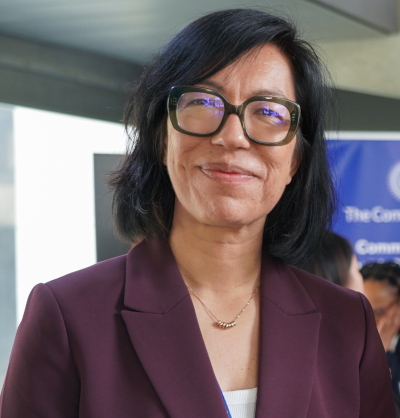
“The challenge is not at all a lack of evidence. It is the absence of a sustained systems-level implementation,” said Jennifer Namgyal, Acting Senior Director of the Social Development, Youth and Gender Directorate at the Commonwealth Secretariat, in an interview with Health Policy Watch.
Regional successes in fighting cervical cancer
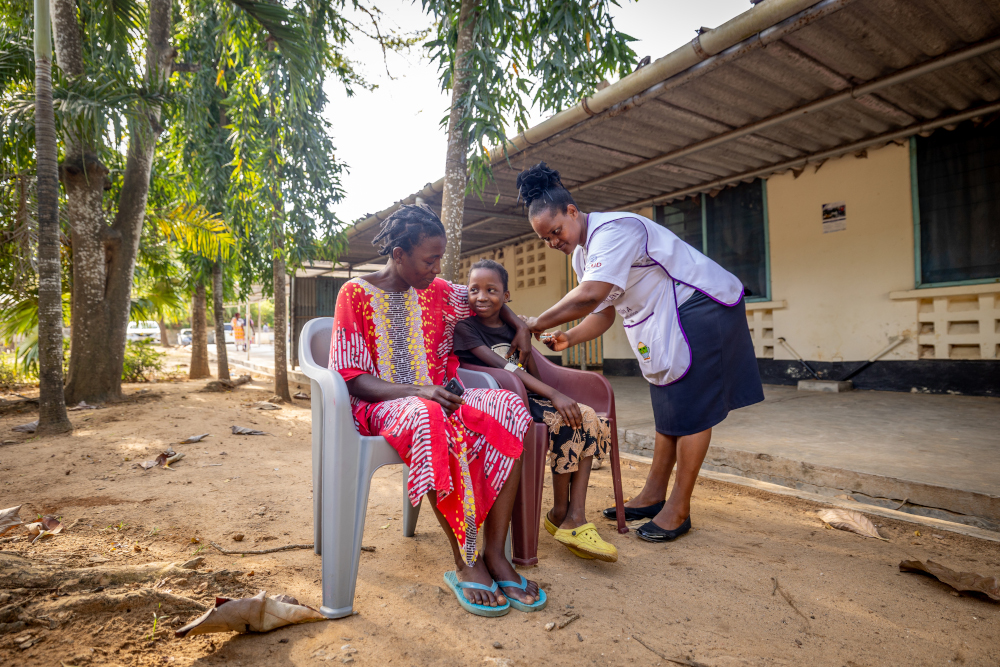
The newly released Commonwealth report outlines how low- and middle-income countries successfully leverage political will to scale up national cervical cancer elimination programmes. The compendium features 12 country case studies detailing strategic innovations across HPV vaccination, screening, and treatment.
“Rwanda and Nigeria really show how strong political commitment to scaling national cervical cancer programmes can work,” said Namgyal.
After transitioning to systematic HPV DNA testing in 2020, Rwanda implemented community-based self-sampling and a custom electronic medical record system to track patient data, manage clinic referrals, and automate follow-up reminders. By 2022, the country achieved 93% vaccination coverage among girls aged 9 to 14.
Similarly, Nigeria launched a historic single-dose vaccination campaign, immunising approximately 17 million girls since October 2023 and increasing national coverage from under 10% to over 30%. To reach vulnerable, out-of-school populations, the government strategically distributes these vaccines through markets, religious houses, and mobile clinics.
Other member states offer equally compelling blueprints, such as Zambia’s decentralised screening approach and Belize’s sustained domestic financing.
Shortfalls, ODA cuts and lack of data
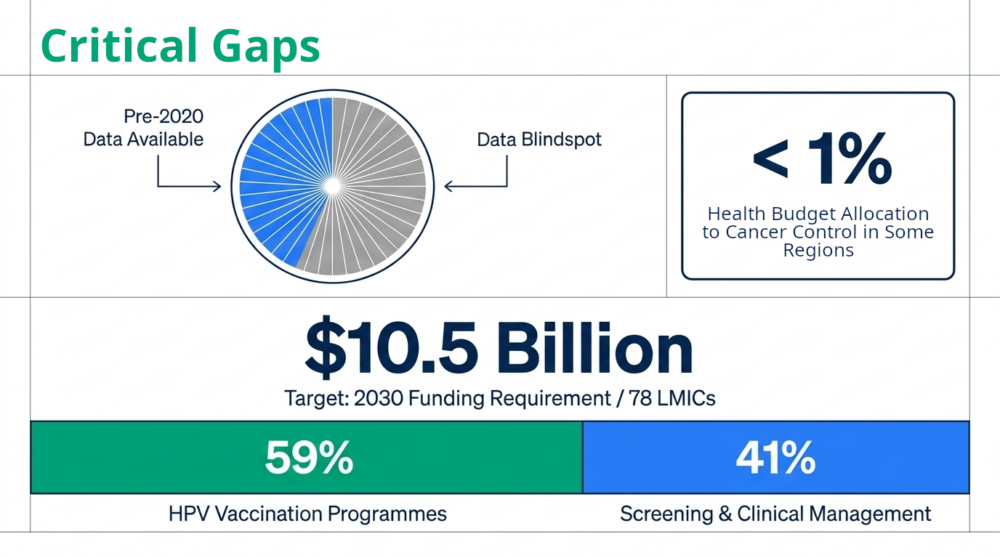
Despite these localised successes, key challenges emerge around funding shortfalls and current ODA cuts across the globe, affecting last-mile delivery of vaccines and screenings by community health workers. As economic growth remains slow or even decreases, countries will face further escalating fiscal shortfalls, forcing them to shrink overall health budgets.
“It is evident to us that there is severe pressure on ODA on multilateral funding, full stop,” explained Namgyal.
To keep elimination efforts on track across 78 low- and lower-middle-income countries (inside and outside the Commonwealth), the WHO estimates that stakeholders must invest $10.5 billion by 2030. The majority of these investments (59%) are required for vaccination programmes, while the rest (41%) is needed for cervical cancer screening and management.
However, pinpointing the funding gap remains difficult as publicly available data exists for only 27 of the 56 Commonwealth countries, and most of that data pre-dates 2020. What little evidence is available shows that funding is largely inadequate, with some countries dedicating less than 1% of their total health budget to cancer control.
Confronting complex epidemiological threats
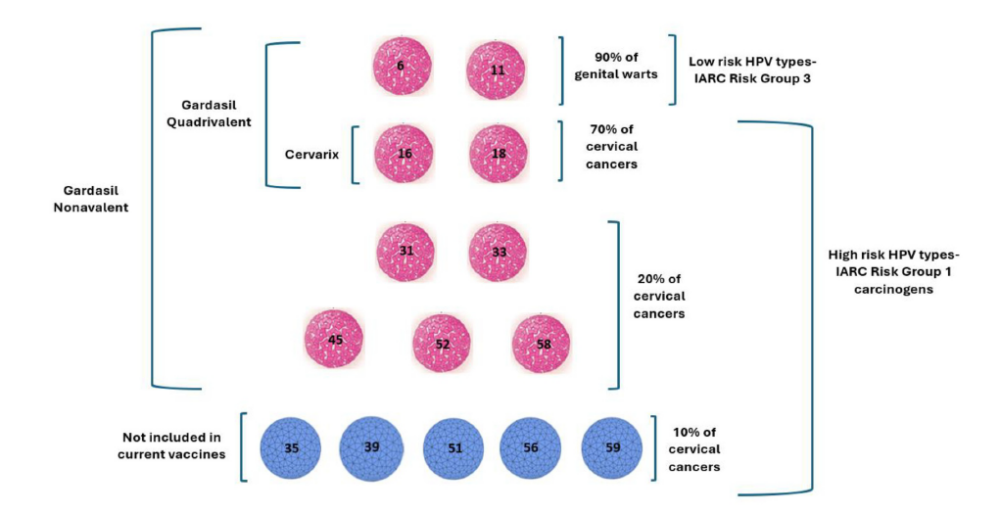
The shifting global landscape requires rapid adaptation to address overlapping epidemiological threats, particularly in regions with high HIV prevalence. Women living with HIV are six times more likely to develop cervical cancer compared to the general population, with Sub-Saharan Africa accounting for 85% of women living with both.
Furthermore, the HPV-35 strain has a disproportionately higher prevalence in sub-Saharan Africa, yet it remains untargeted by existing vaccine formulations. This lack of coverage underscores the urgent need to accelerate research to create an updated, polyvalent vaccine, as the genotype accounts for a significant proportion of invasive cervical carcinoma in populations with high HIV prevalence.
To prepare for these advancements, the board of the vaccine alliance Gavi approved the inclusion of improved vaccines in its portfolio in December last year, ensuring they can be made available to countries as soon as they are licensed. When asked about integrating the HPV-35 strain into future vaccines, Namgyal noted that the Commonwealth relies on specialised health organisations for clinical guidance.
“We understand that best practice is established through WHO recommendations and then country-specific epidemiology then informs the rollout in those contexts,” she said.
Sharing resources across vast borders
Until then, robust screening programmes and rapid treatment options remain the primary defence against these emerging strains. The Commonwealth’s strategy focusses heavily on transitioning from traditional Pap smears to DNA testing to detect these risks earlier.
The Commonwealth also leverages high-level “South-South” diplomatic strategies and shared resources across the 56 member states. Rather than building isolated infrastructure, countries are leaning into collaborative networks to bypass human resource shortages and financial constraints.
This strategic approach directly responds to the Lancet Oncology Commission roadmap for cancer control, which provides a framework for member states to tackle the rising incidence of the disease. Acting senior director Namgyal emphasised that the priority is translating evidence into country-led action, embedding care within primary health systems, and integrating HPV vaccination into routine immunisations. Ambassador Leslie Ramsammy of Guyana further detailed this collaborative approach during the session, stressing the necessity of leveraging shared clinical capabilities.
To overcome diagnostic bottlenecks without adequate domestic specialists, Guyana invested in a digital pathology laboratory. Through this digital infrastructure, specialists in India and New York now read pathology images created in Guyana, the former health minister said.
Community engagement versus misinformation
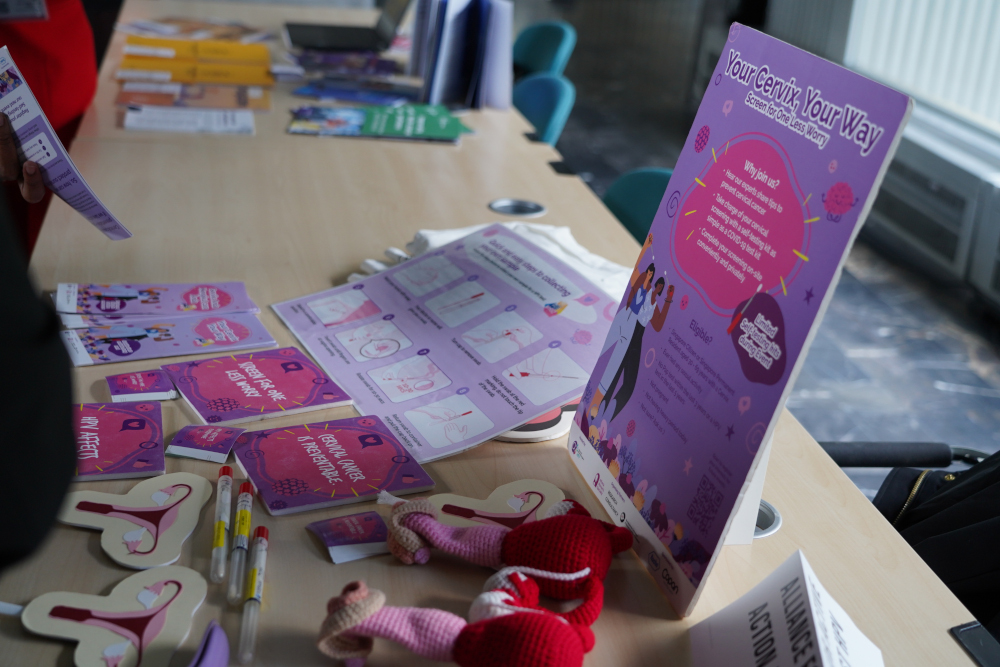
While diplomatic strategies and shared pathology labs address structural deficits, implementation on the ground requires navigating complex cultural barriers. Global health guidelines recommend engaging communities directly to overcome gender and social hurdles that traditionally hinder vaccination efforts.
The combination of direct community engagement and grassroots mobilisation via youth-focused approaches by NGOs like Girl Effect, alongside advocacy groups such as Zambia’s Teal Sisters and the Belize Cancer Society, creates a comprehensive ecosystem for disease control. Global health leaders now cite Malawi as a champion model after a recent grassroots campaign targeting schoolgirls successfully extended HPV vaccine coverage above 90%.
Another successful strategy involves First Ladies and spouses of Heads of Government across the Commonwealth, whose advocacy proves transformative in breaking silences and reducing misconceptions that prevent women from seeking care. To further lift the stigma, experts recommend gender-neutral vaccination programmes that also include boys.
“Breaking down stigma, making it more accessible and more ordinary to speak about is a very helpful part of that,” said acting senior director Namgyal.
However, this can only succeed if health systems possess the capacity and funding to actually deliver the vaccines and screenings.
Non-binding approach, fiscal constraints
With multilateral funding currently constrained, major hurdles remain because the Commonwealth approach is non-binding. Therefore, the path forward requires a relentless focus on translating high-level commitments into sustainable, community-level solutions.
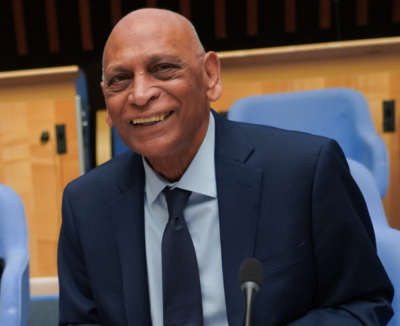
“This first forum does not end this afternoon – this first forum will continue working until we have that action plan,” said Ambassador Leslie Ramsammy, former Minister of Health for Guyana and permanent representative to the United Nations in Geneva, committed to developing a concrete action plan.
“Economic status and geography should not bring death to our doors.”
However, without ramping up resources, these efforts may struggle to achieve the WHO’s elimination targets.
Until then, women will continue to suffer and die from a disease with established, cost-effective prevention and treatment methods.
See also:
Available Cervical Cancer Vaccines Fail to Cover the HPV 35 Genotype Common in Africa
Image Credits: WHO/Genna Print , CHCF via Flickr, Felix Sassmannshausen/HPW, CHCF via Flickr, Murahwa et al, Reviews in Medical Virology, 33 March 2026.
Combat the infodemic in health information and support health policy reporting from the global South. Our growing network of journalists in Africa, Asia, Geneva and New York connect the dots between regional realities and the big global debates, with evidence-based, open access news and analysis. To make a personal or organisational contribution click the donate button below.