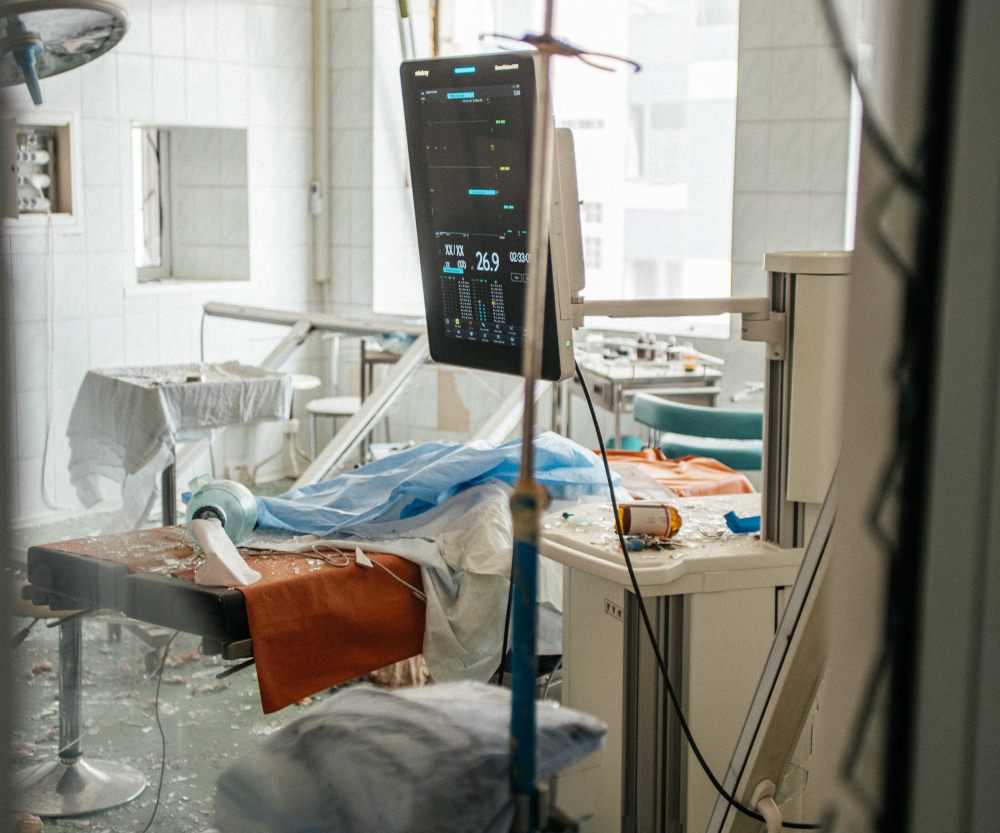
As the war in Ukraine grinds into its fifth year, the systematic destruction of healthcare infrastructure is accelerating, with strikes targeting hospitals, ambulances, and medical workers surging by nearly 20 percent in 2025 compared to the previous year, according to a statement by the World Health Organization Europe region (WHO/EURO) released on Tuesday.
The cumulative toll since the February 2022 invasion now stands at a staggering 2,881 verified attacks. The violence reached a peak in the third quarter of last year, when 184 strikes over a three-month span killed a dozen people and wounded 110 patients and staff.
Compounding the crisis, shelling hitting medical warehouses tripled, crippling the critical supply chains needed to keep the remaining facilities functioning.
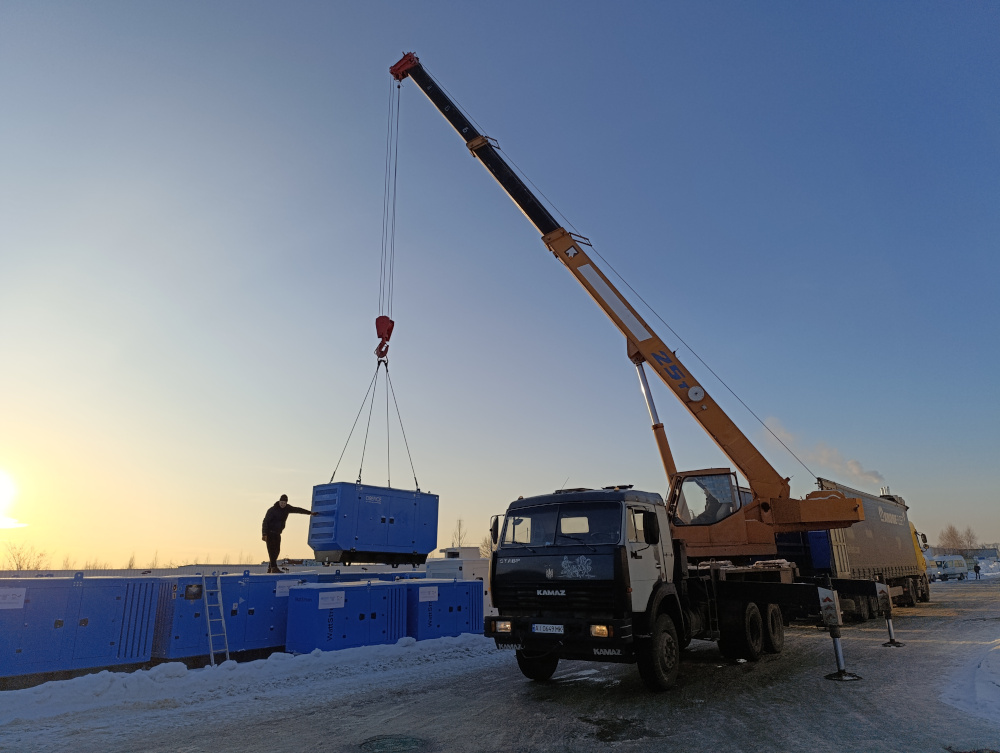
Strikes on civilian infrastructure, combined with repeated failures of the national power grid during subzero winter temperatures, have increasingly disrupted the delivery of essential health services.
“Behind every one of these system breakdowns are families, elderly residents, and health care workers who must keep saving lives while their own homes are without heat, water, or electricity,” stated Jarno Habicht, the WHO Representative to Ukraine.
“The burnout after four years of war is immense, and the demand for health care has never been higher.”
An escalating medical and mental health crisis
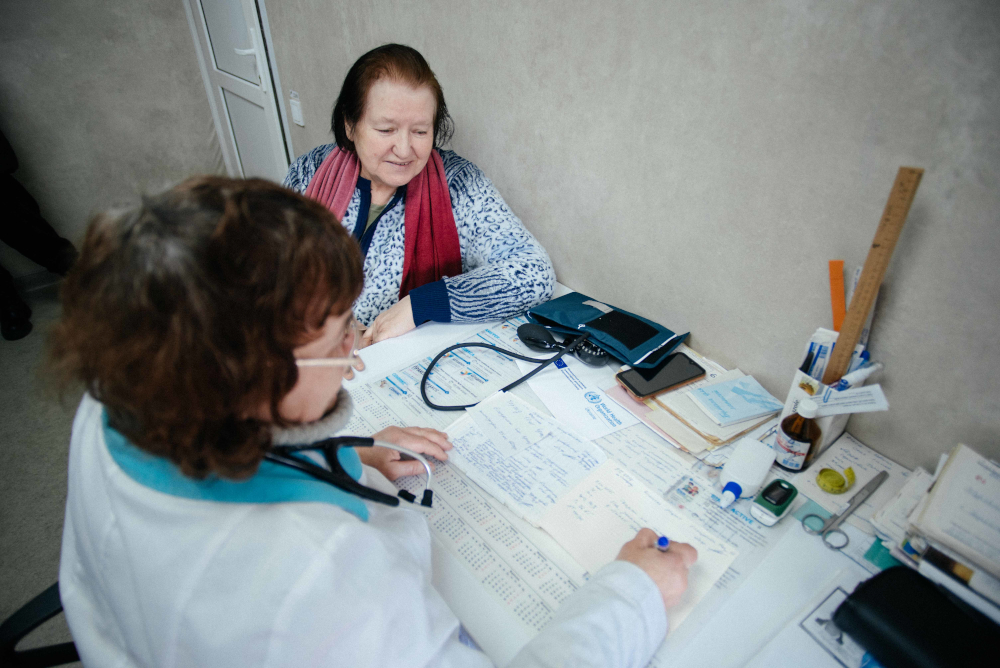
According to the UN’s humanitarian coordinator in Ukraine, Matthias Schmale, 2025 stands as the deadliest year for civilians since the onset of the full-scale invasion. The bloodshed escalated sharply, with fatalities surging by more than 30 percent compared to the previous year. In a single 12-month span, at least 2,500 civilians were killed and another 12,000 were left wounded.
Beyond the blast zones, a quieter but equally lethal health crisis is ravaging the population. The stress of perpetual conflict has driven cardiovascular disease to alarming levels, leaving one in four Ukrainians battling dangerously high blood pressure.
Treating these conditions is becoming nearly impossible, with eight out of ten people reporting they cannot get the medications they need. In frontline towns, residents are effectively cut off by shuttered pharmacies and active combat, while across the country, skyrocketing prices have put life-saving drugs out of reach for the vast majority.
The psychological scars are equally profound, with the WHO estimating that nearly half the country is grappling with mental health issues, and 72 percent reporting recent battles with anxiety or depression.
“Four years of war have created a serious health crisis in Ukraine,” Hans Kluge, the WHO Regional Director for Europe, underscored the gravity of the situation in a press statement on Monday.
Ukrainian children bear a large share of the war’s burden, facing immense trauma and being deprived of normalcy and education. And out of an estimated 20,000 children abducted and taken to the Russian Federation, only about 2,000 have been safely returned to their families, Philip LeClerc, the UNHCR Regional Director for Europe and Refugee Regional Coordinator for Ukraine explained.
Displaced persons face immense psychological toll
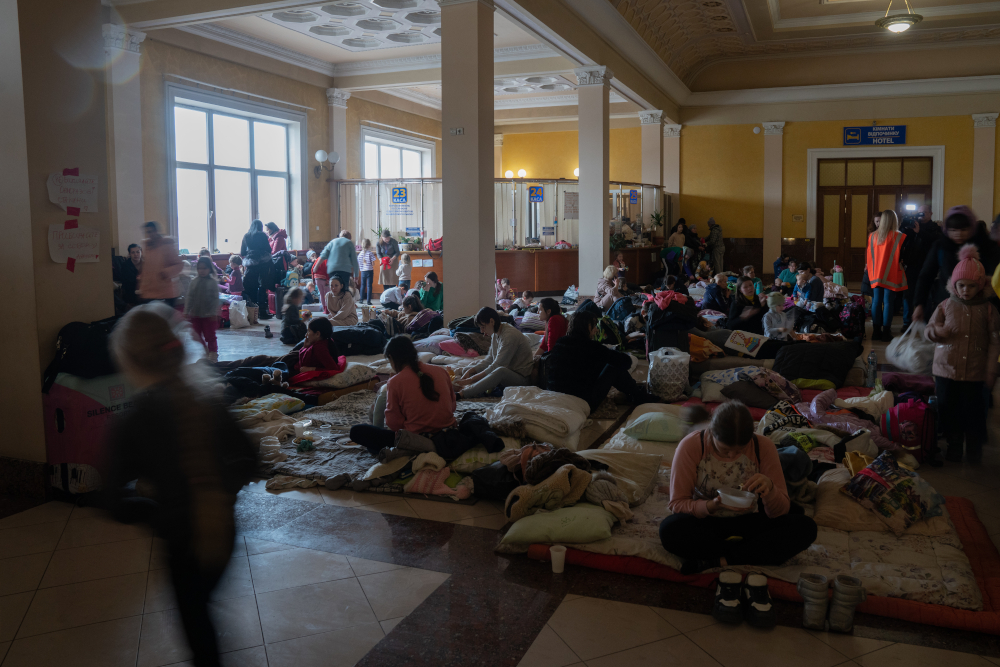
The war has triggered immense and sustained human displacement. Currently, 3.6 million people remain internally displaced within Ukraine. Internationally, 5.9 million refugees have sought safety abroad, with 5.7 million remaining in Europe.
A significant challenge involves addressing the profound psychological toll, as mental health issues are growing among the displaced populations.
To properly support these groups, host countries must ensure access to critical psychological and legal aid, which is necessary to help refugees remain self-reliant and supported, UNHCR Regional Director for Europe Philip LeClerc demanded.
As Ukraine’s severely damaged health infrastructure cannot currently absorb or adequately care for highly vulnerable individuals, the UN urges host states to allow displaced vulnerable individuals to continue benefiting from national healthcare services for an extended period.
WHO calls for funds to secure access to healthcare
To protect healthcare in Ukraine, the WHO launched its 2026 Humanitarian Appeal in February, urgently requesting $42 million.
These critical funds would secure access to healthcare for approximately 700,000 vulnerable individuals, prioritizing emergency trauma care, expanding primary health services in frontline zones, and facilitating safe medical evacuations, WHO stated in its appeal.
The international medical humanitarian organization Médecins Sans Frontières (MSF) also highlighted the impossible conditions facing their work: due to extreme insecurity, MSF has been forced to abandon seven hospitals and over 40 medical locations since 2022, the organization stated in statement released via social media.
In response, they expanded their mobile clinics, doubling consultations to 9,500 in 2025 to reach displaced civilians sheltering in freezing facilities.
EU reaffirms solidarity in joint statement
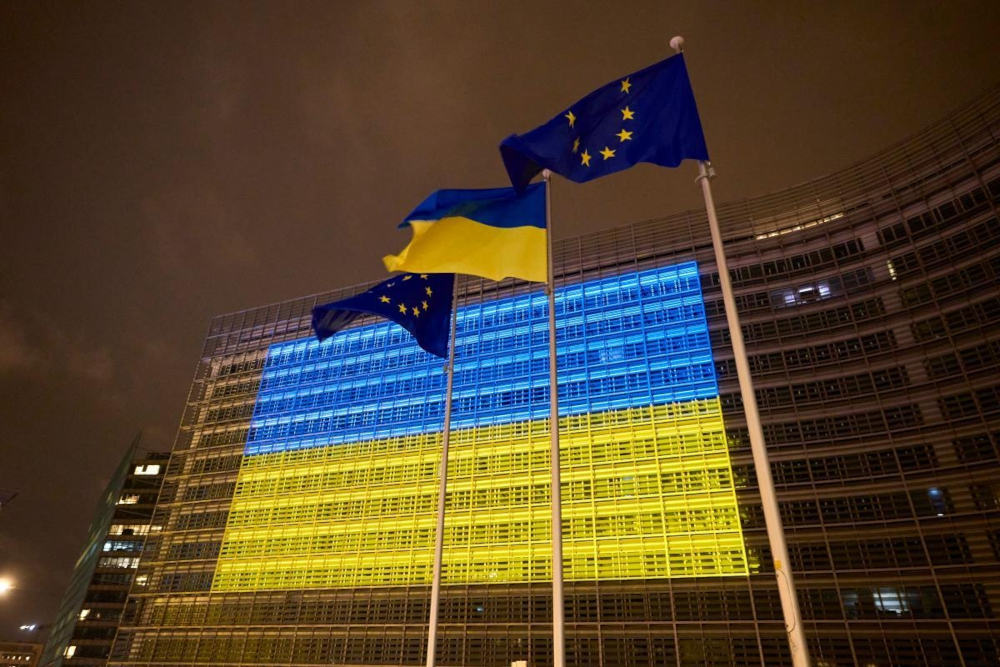
Marking the grim four-year anniversary of the invasion, the European Union’s top leadership issued a blistering condemnation of Moscow’s warfare strategy, accusing Russian forces of deliberately freezing out civilians by targeting energy grids, hospitals, and schools.
Reaffirming their position as Kyiv’s most crucial financial backer, the EU unveiled a massive €90 billion lifeline for 2026 and 2027. Recognizing the immediate battlefield realities, two-thirds of that package (€60 billion) has been exclusively earmarked to bolster Ukraine’s military arsenal. “Our goal is a comprehensive, just and lasting peace for Ukraine, based on the principles of the UN Charter and international law,” the joint statement declared.
The financial blueprint for rebuilding the battered nation is staggering. A newly released joint assessment by the UN, the World Bank, and the European Union pegs the cost of a ten-year recovery at a colossal $590 billion – a price tag three times the size of Ukraine’s entire economic output last year.
Image Credits: WHO, WHO, WHO/Marta Soszynska , WHO, European Union/Claudio Centonze.
Combat the infodemic in health information and support health policy reporting from the global South. Our growing network of journalists in Africa, Asia, Geneva and New York connect the dots between regional realities and the big global debates, with evidence-based, open access news and analysis. To make a personal or organisational contribution click the donate button below.